Sustainable Living: Eco-Friendly Housing Trends in Israel
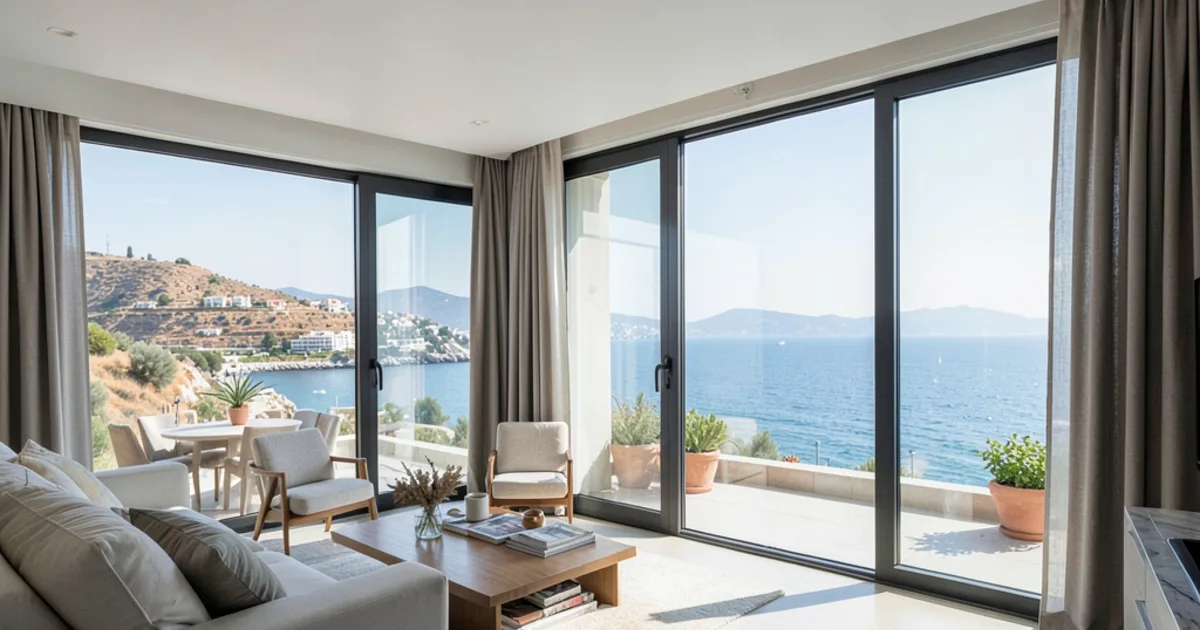
The Israeli real estate landscape is undergoing a profound transformation as environmental consciousness moves from a niche interest to a mainstream priority. Buyers are no longer solely focused on location and square footage; they are increasingly scrutinizing energy efficiency, water management, and the long-term ecological footprint of their homes. This shift is driven by a combination of climate necessity, rising utility costs, and a growing global movement toward sustainable urbanism. For anyone looking to invest in an apartment, a villa, or a penthouse in Israel, understanding these green trends is essential for making a future-proof decision.
Quick answer: Eco-friendly housing in Israel is driven by strict building codes and a strong market demand for energy-efficient designs. Key trends include widespread solar water heating, green roofs, and the integration of smart home technology to reduce resource consumption.
- The Rising Demand for Green Living in Israel
- Energy-Efficient Construction: New Builds vs. Renovations
- Water Conservation Technologies in Israeli Homes
- Navigating the Legal and Bureaucratic Aspects of Green Retrofitting
- Solar Energy Integration: From Rooftops to Solar Windows
- Sustainable Materials in the Israeli Real Estate Market
- The Economic Impact: Mashkanta, Mas Rekhisha, and Long-term Savings
- Urban Sustainability: High-Rises, Penthouses, and Smart Cities
- Smart Home Technology and Resource Management
- Choosing the Right Property: A Checklist for Eco-Conscious Buyers
The Rising Demand for Green Living in Israel
The Mediterranean climate of Israel presents unique challenges, particularly regarding extreme heatwaves and seasonal water scarcity. As these environmental factors become more pronounced, the demand for homes that can naturally regulate temperature and conserve resources has surged. Homeowners are realizing that a house designed with sustainability in mind is not just an ethical choice, but a practical necessity for maintaining comfort in a warming region. This demand is visible across all sectors, from luxury villas in the coastal plains to modern apartment blocks in the Galilee.
In urban centers like Tel Aviv or Haifa, the push for sustainable living is often integrated into high-density developments. Developers are increasingly incorporating green spaces and energy-efficient building envelopes to appeal to a younger, more eco-conscious demographic. This demographic often prioritizes lifestyle integration, seeking communities where sustainability is woven into the fabric of daily life. Even for those undergoing an ulpan to integrate into Israeli society, the concept of 'green living' is becoming a standard part of the local cultural and economic dialogue.
Beyond personal comfort, the market is responding to the economic realities of resource management. As the cost of electricity and water continues to fluctuate, the value proposition of a sustainable home becomes much clearer. A property that utilizes passive cooling or advanced water recycling is seen as a hedge against future utility inflation. Consequently, eco-friendly features are transitioning from being seen as 'luxury extras' to becoming essential components of a high-value real estate portfolio.
- Increased interest in passive cooling designs.
- Growing market for water-efficient residential properties.
- Shift in buyer priorities toward long-term utility savings.
Energy-Efficient Construction: New Builds vs. Renovations
When considering a new build, buyers have the advantage of integrating sustainable technology from the ground up. Modern Israeli construction projects are increasingly utilizing high-performance insulation and advanced thermal mass techniques to reduce the reliance on air conditioning. This is particularly important in the Israeli context, where cooling is the primary driver of residential energy consumption. By using materials that absorb and release heat slowly, new builds can maintain stable internal temperatures throughout the day.
For those looking at existing apartments or older villas, the focus shifts toward retrofitting and energy-efficient renovations. This might involve upgrading to double-glazed windows with thermal breaks or adding external shading devices like pergolas or specialized shutters. While these renovations require careful planning and approval from the local municipality (Iriya), the return on investment is often significant in terms of both comfort and energy reduction. Renovating an older property to meet modern green standards can also significantly boost its market value.
The choice between a new build and a renovation often depends on the specific property type and the buyer's budget. A new penthouse in a high-rise might come with pre-installed energy-saving systems, whereas a detached house in a historic neighborhood may require more bespoke, manual interventions. Regardless of the path chosen, the goal remains the same: reducing the thermal transfer between the harsh external environment and the living space. This proactive approach to construction is a cornerstone of the sustainable housing movement in Israel.
Water Conservation Technologies in Israeli Homes
Water is perhaps the most precious resource in Israel, and sustainable housing trends reflect this reality through advanced conservation technologies. One of the most effective methods is the implementation of greywater recycling systems. These systems collect water from showers and sinks, treat it to a safe standard, and repurpose it for toilet flushing or garden irrigation. In larger villas or multi-unit buildings, these systems can drastically reduce the amount of fresh water required for daily household operations.
Smart irrigation is another critical component of the eco-friendly home, especially for properties with significant outdoor space or gardens. Modern drip irrigation systems, controlled by weather-sensing technology, ensure that plants receive the exact amount of water needed without any waste. This is particularly relevant for homeowners in more arid regions of the country where evaporation rates are high. By minimizing runoff and over-watering, these technologies align residential usage with national water conservation goals.
In addition to mechanical systems, the selection of drought-resistant landscaping, often referred to as xeriscaping, is becoming a standard in sustainable garden design. Instead of maintaining thirsty lawns that require constant hydration, eco-conscious homeowners are opting for local flora that thrives in the Mediterranean climate. This not only saves water but also supports local biodiversity and reduces the need for chemical fertilizers. Integrating these water-saving measures into a property's design is a hallmark of a well-conceived sustainable home.
- Greywater recycling for non-potable uses.
- Smart, sensor-driven drip irrigation systems.
- Xeriscaping and the use of native, drought-tolerant plants.
Navigating the Legal and Bureaucratic Aspects of Green Retrofitting
Implementing sustainable technologies often involves more than just technical installation; it requires navigating the local regulatory framework. Any significant modification to a property, such as installing large-scale solar arrays or extensive greywater tanks, typically requires approval from the local municipality, or Iriya. Failure to obtain the necessary building permits can lead to complications during future property sales or issues with the Tabu land registry. It is essential to ensure that all 'green' additions are legally documented and compliant with local zoning laws.
When purchasing a property that has already undergone eco-friendly upgrades, due diligence is paramount. Buyers should verify that all modifications are reflected in the official building plans and that the property's status in the Tabu is clear. If a developer has promised certain energy-efficient features in a binding memorandum, these should be explicitly detailed to ensure they are delivered as part of the final product. Discrepancies between promised green features and the actual installation can lead to legal disputes.
The process of registering new improvements can also impact the property's valuation and tax implications. For example, adding a solar structure might change the usable area or the character of the rooftop, which must be accounted for in the official records. While the goal of these upgrades is to increase value, the bureaucratic path must be handled with precision to avoid any 'unauthorized construction' labels that could hinder a future Mashkanta application. Working with a professional who understands both the technical and legal aspects of Israeli real estate is highly recommended.
Solar Energy Integration: From Rooftops to Solar Windows
Solar energy is a cornerstone of the sustainable housing trend in Israel, given the country's high levels of solar radiation. Residential solar photovoltaic (PV) systems are becoming increasingly common on the rooftops of both apartment buildings and detached houses. These systems allow homeowners to generate their own electricity, significantly offsetting the cost of powering air conditioning and other appliances. In many cases, surplus energy can be fed back into the national grid, providing a small but steady credit to the homeowner.
In multi-unit buildings, the implementation of solar technology requires coordination among the co-owners. The rights to use the rooftop for solar energy must be clearly defined in the building's shared ownership agreement. This can sometimes be a point of contention, so it is vital for buyers to understand how rooftop rights are allocated in a building before signing a contract. Some newer developments are designed with 'solar-ready' rooftops, making the installation process much smoother and more cost-effective for the residents.
Beyond traditional rooftop panels, emerging technologies like solar-integrated windows and building-integrated photovoltaics (BIPV) are beginning to enter the market. These technologies allow the building's skin itself to act as a power generator, which is particularly useful for high-rise apartments and penthouses where rooftop space may be limited. While these advanced solutions may carry a higher initial cost, they represent the future of urban energy independence in Israel, turning every building into a micro-power plant.
Sustainable Materials in the Israeli Real Estate Market
The environmental impact of a home is heavily influenced by the materials used during its construction and renovation. In Israel, there is a growing movement toward utilizing local, low-impact materials that reduce the carbon footprint associated with transportation. Jerusalem stone, for instance, is a traditional and highly durable material that provides excellent thermal mass. Using local stone and clay helps maintain a sense of regional architectural identity while supporting local industries and reducing environmental costs.
Modern sustainable building also emphasizes the use of low-VOC (Volatile Organic Compound) paints and non-toxic finishes. This is particularly important for indoor air quality, especially in densely populated urban apartments where ventilation might be limited. By choosing materials that do not off-gas harmful chemicals, homeowners can create a healthier living environment. This focus on 'healthy building' is becoming a significant selling point for premium penthouses and high-end villas.
Recycled and reclaimed materials are also finding their way into the Israeli design landscape. From reclaimed wood for flooring to recycled metal for structural elements, these materials offer a unique aesthetic while promoting a circular economy. When evaluating a property, look for indicators of material quality and sustainability. A home built with high-quality, responsibly sourced materials will not only be more environmentally friendly but will also likely exhibit greater durability and longevity.
The Economic Impact: Mashkanta, Mas Rekhisha, and Long-term Savings
Investing in a sustainable home is as much a financial decision as an environmental one. One of the most immediate benefits is the reduction in monthly utility costs. Lower electricity and water bills can result in significant long-term savings, which effectively lowers the total cost of ownership. For many buyers, these savings are a key factor when calculating the affordability of a property and determining the monthly payments for a Mashkanta (mortgage).
The impact on property valuation and taxation is also noteworthy. While Mas Rekhisha (purchase tax) is based on the transaction value of the property, a home with high-end, energy-efficient features is likely to command a higher market price. Furthermore, when it comes to Mas Shevah (capital gains tax), it is important to keep meticulous records of any significant capital improvements made to the property. Properly documented eco-friendly upgrades can sometimes be factored into the cost basis, potentially affecting the tax liability upon resale.
There is also a growing trend in the banking sector regarding 'green mortgages.' Some financial institutions are beginning to offer more favorable terms or specialized Mashkanta products for homes that meet certain environmental certification standards. While this is still an evolving area, it highlights the growing recognition of sustainable real estate as a lower-risk, high-value asset class. As the market matures, the financial advantages of green living are likely to become even more pronounced.
- Reduced monthly expenditure on water and electricity.
- Potential for higher resale value due to energy efficiency.
- Emerging opportunities for green-specific mortgage products.
Urban Sustainability: High-Rises, Penthouses, and Smart Cities
Sustainability is not limited to sprawling villas; it is increasingly being integrated into the vertical landscape of Israeli cities. In high-rise developments, urban sustainability is achieved through shared green spaces, vertical gardens, and communal energy-saving systems. Penthouses are often at the forefront of this trend, featuring private green terraces that provide both insulation and a personal connection to nature. These features help mitigate the 'urban heat island' effect, making city living more comfortable.
Smart city initiatives in Israel are also playing a role in residential sustainability. Many new urban developments are being built with integrated smart grids and advanced waste management systems. These technologies allow for more efficient distribution of resources across the entire community. For a resident, living in a 'smart' development can mean more intuitive control over home energy use and more seamless integration with municipal services, contributing to a more efficient lifestyle.
The concept of the '15-minute city', where essential services are within a short walk or bike ride, is also gaining traction in Israeli urban planning. This reduces the reliance on private vehicles, thereby lowering the overall carbon footprint of the residents. When choosing an urban apartment, consider the proximity to public transport and walkable amenities. A well-located apartment in a sustainable urban design is a cornerstone of a modern, eco-friendly lifestyle.
Smart Home Technology and Resource Management
The integration of Smart Home technology is a powerful tool for enhancing the sustainability of a residence. Internet of Things (IoT) devices allow for precise control over energy-intensive systems, most notably air conditioning. Smart thermostats can learn a household's patterns and adjust temperatures automatically, ensuring that energy is not wasted on an empty house. In the Israeli climate, where AC usage is high, this can lead to a substantial reduction in electricity consumption.
Smart water management is another area where technology makes a difference. Leak detection sensors can be installed throughout a home to identify and alert homeowners to even minor leaks, preventing water waste and potential property damage. Smart irrigation controllers can also be linked to local weather forecasts, ensuring that gardens are only watered when necessary. These small, automated adjustments aggregate into significant resource savings over time.
Beyond energy and water, smart technology can also assist in managing overall household efficiency. Smart lighting systems that utilize motion sensors or ambient light detection ensure that lights are only on when needed. For the tech-savvy homeowner, these systems provide real-time data on resource consumption, allowing for more informed decisions about energy use. Integrating smart technology into a sustainable home turns environmental consciousness into an effortless, automated part of daily life.
Choosing the Right Property: A Checklist for Eco-Conscious Buyers
When searching for a sustainable home in Israel, it is vital to look beyond the marketing brochures. A thorough inspection of the property's physical characteristics is necessary. Check the quality of the window glazing, the thickness of the wall insulation, and the presence of shading devices. If you are buying a new build, review the binding memorandum to ensure that the promised green features are clearly defined and legally binding. This due diligence is essential to ensure the property meets your environmental standards.
Verify the legal status of any existing green installations. If a previous owner installed solar panels or a greywater system, confirm that these were approved by the Iriya and are correctly registered. You should also check the Tabu to ensure there are no unexpected encumbrances related to rooftop usage or shared utility systems. A property with 'unauthorized' green additions can become a significant liability during both the purchase process and future resale.
Finally, consider the long-term operational costs. Ask for recent utility bills if possible, or inquire about the estimated energy and water consumption for similar units in the building. Evaluate how the property's location and design might impact your future costs, for example, a penthouse with high exposure to the sun may require more cooling but also offers more solar potential. By combining technical, legal, and financial scrutiny, you can confidently select a home that is both a sanctuary and a sustainable investment.
- Inspect insulation, glazing, and shading.
- Verify legal approvals for existing green systems in the Tabu.
- Analyze projected utility costs and solar potential.
FAQ
Does a green home increase the Mas Rekhisha (purchase tax)?
No, Mas Rekhisha is determined by the official valuation of the property, not by its eco-friendly features. However, because sustainable homes often command higher market prices, the tax amount may be higher due to the increased transaction value.
Can I install solar panels on an existing apartment building?
Yes, but it requires coordination with the building's co-owners and approval from the local Iriya. You must ensure that the rooftop rights are clearly defined in the building's documentation and that the installation complies with all local building codes.
Do banks in Israel offer special rates for eco-friendly homes?
There is a growing trend toward 'green mortgages' that may offer more favorable terms for properties that meet specific environmental standards. It is advisable to consult with a mortgage broker to see if your potential home qualifies for such incentives.
How does water conservation affect my Arnona (municipal tax)?
Water conservation technologies like greywater recycling do not directly change your Arnona rate, which is based on property size and location. However, they significantly reduce your monthly water utility bills, improving your overall household economy.
Get your personalised shortlist
Listings and up-to-date info, straight to your inbox, free, no obligation.
See homes for sale →