Houses for sale in Israel, by city
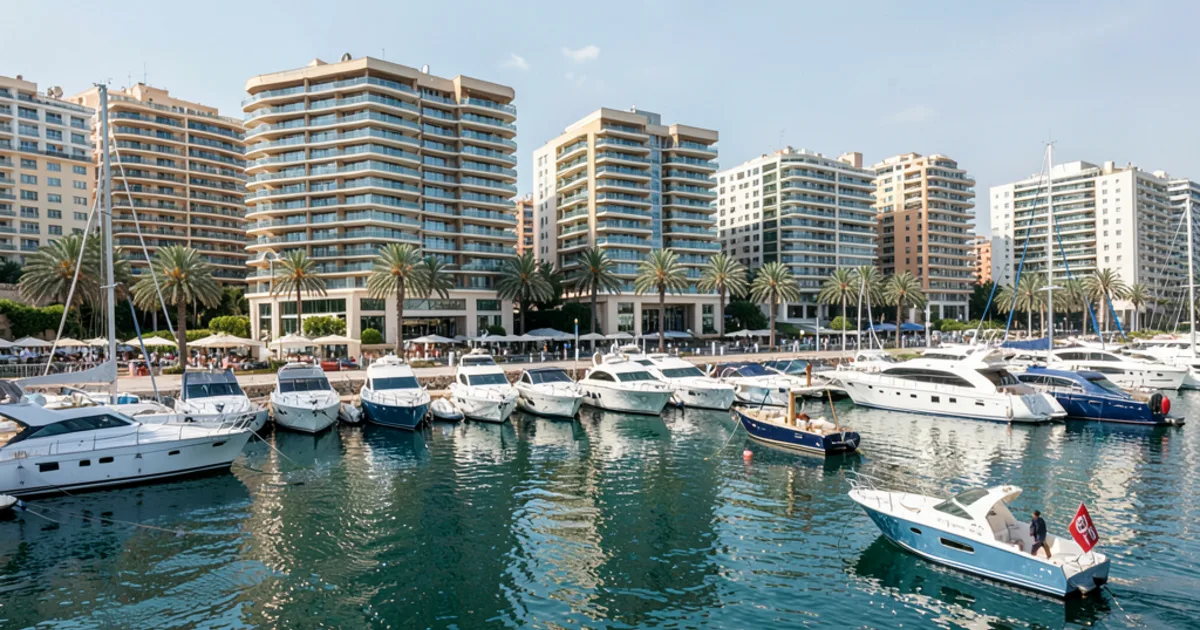
The Israeli real estate market is a complex and multifaceted landscape, offering everything from high-density urban apartments to expansive Mediterranean villas. For many, the search begins by looking at specific geographic regions, as the lifestyle and investment potential vary significantly from the bustling center to the quiet north. This guide provides a comprehensive overview of the various regions, property types, and essential legal and financial considerations to help you navigate your journey with confidence.
Quick answer: Browse houses for sale in Israel organized by city to find properties in major urban centers and smaller towns. This directory helps you compare listings across different regions to identify the best location for your needs.
- The Diversity of the Israeli Real Estate Market
- The Central District: Urban Living and Economic Hubs
- Jerusalem: Heritage, Tradition, and Demand
- The Mediterranean Coast: Lifestyle and Luxury
- The Northern Region: Natural Beauty and Quiet Living
- The Southern Frontier: Growth and Emerging Opportunities
- Understanding Property Types: From Apartments to Villas
- Legal Frameworks: The Tabu and the Binding Memorandum
- Financial Obligations: Taxes, Mortgages, and Fees
- The Step-by-Step Acquisition Process
- Navigating the Market as an International Buyer
- Building Your Professional Support Team
The Diversity of the Israeli Real Estate Market
The Israeli property market is characterized by its incredible diversity, catering to a wide range of lifestyles and economic needs. From the high-tech hubs of the center to the historical streets of Jerusalem, the demand for housing is driven by both domestic necessity and international interest. Understanding this diversity is the first step for any serious buyer looking to establish roots in the country.
Geography plays a massive role in determining the character of a property and its potential for appreciation. Some regions focus on rapid urban development and high-rise living, while others offer a more traditional, low-density experience. This means that the 'best' location is entirely subjective and depends on whether you prioritize proximity to work, access to nature, or historical significance.
Furthermore, the market is influenced by a combination of local municipal planning and national economic trends. Because land is a finite and highly valued resource in Israel, scarcity often drives competition in certain desirable areas. Prospective buyers must approach the market with a nuanced understanding of how these regional dynamics interact with broader national trends.
- Urban centers with high-density apartment living
- Coastal regions focused on leisure and luxury
- Northern areas emphasizing greenery and tranquility
- Southern regions with emerging growth potential
The Central District: Urban Living and Economic Hubs
The Central District, often referred to as Gush Dan, serves as the economic and cultural heartbeat of the nation. This region is characterized by a fast-paced lifestyle and a high concentration of employment opportunities, particularly in the technology and finance sectors. Consequently, the demand for residential properties in this area is consistently robust.
In cities like Tel Aviv, the real estate market is dominated by modern apartments and high-end penthouses. The urban density here means that space is at a premium, and buyers often prioritize proximity to amenities, public transport, and social hubs. While the entry point for property in the center is often higher than in other regions, the lifestyle benefits are significant.
Satellite cities within the central district offer a compelling alternative for those who seek a balance between urban access and a slightly more relaxed environment. These areas often cater to families who work in the major metropolitan hubs but desire more space or newer residential developments. This sub-market provides a wide variety of options, from modest family apartments to larger, modern builds.
- High-rise luxury apartments in major metropolitan areas
- Modern studio units for young professionals
- Suburban family homes in satellite cities
- High-demand investment properties in tech hubs
Jerusalem: Heritage, Tradition, and Demand
Jerusalem offers a real estate experience that is unlike any other city in the country. The market here is deeply influenced by the city's historical, religious, and cultural significance, which creates a unique set of demand drivers. Buyers in Jerusalem are often looking for more than just a home; they are looking for a connection to a storied heritage.
The residential landscape in Jerusalem is a tapestry of old and new. You may find historic stone houses in older neighborhoods that offer immense character, or brand-new developments on the city's periphery that offer modern amenities. This duality requires buyers to be very specific about the 'vibe' and architectural style they wish to inhabit.
Due to its unique status and high demand, the Jerusalem market often operates with its own set of nuances. Municipal regulations and zoning laws can be quite specific, particularly in areas of historical importance. It is essential for buyers to conduct thorough research into neighborhood-specific regulations to ensure their property goals align with local planning.
- Historic stone houses in established neighborhoods
- Modern residential complexes in expanding districts
- Properties with significant cultural or religious proximity
- Unique architectural styles reflecting local heritage
The Mediterranean Coast: Lifestyle and Luxury
For those who prioritize a connection to the sea, the Mediterranean coastal strip offers some of the most desirable real estate in Israel. Cities along this coastline are known for their leisure-oriented lifestyles, beautiful beaches, and pleasant climates. This makes the region a magnet for both retirees and affluent families.
The luxury segment is particularly strong in coastal cities, with a significant presence of high-end villas and sea-view penthouses. These properties often feature premium finishes and are located in gated communities or exclusive beachfront developments. The focus here is often on lifestyle, offering amenities such as proximity to marinas, high-end shopping, and seaside dining.
Beyond the ultra-luxury segment, the coast also provides excellent options for mid-range residential living. Many coastal cities offer well-planned apartment blocks that cater to families seeking a balance of beach access and urban convenience. The coastal market remains a perennial favorite for those looking for a high quality of life.
- Exclusive beachfront villas and estates
- Luxury penthouses with panoramic sea views
- Family-oriented apartment buildings near the coast
- Resort-style living in established seaside towns
The Northern Region: Natural Beauty and Quiet Living
The North of Israel offers a stark contrast to the dense urbanity of the center. This region is characterized by its lush greenery, mountainous terrain, and a much more relaxed pace of life. It is an ideal destination for those looking to escape the noise of the metropolitan areas without leaving the country.
In the Galilee and surrounding areas, the real estate market often features more standalone homes and smaller, more intimate residential communities. The emphasis here is frequently on nature and privacy, making it a popular choice for those seeking a retreat or a quiet place to raise a family. The landscape itself becomes a primary feature of the property's value.
Haifa, as a major northern hub, provides a bridge between the quiet north and the urbanized center. It offers a diverse mix of industrial, educational, and residential zones, providing a wide array of property types. Whether you are looking for a hillside apartment with a view or a home in a quiet suburb, the north has much to offer.
- Standalone homes in scenic, green landscapes
- Quiet residential communities in the Galilee
- Hillside apartments with expansive views
- Urban residential options in northern coastal cities
The Southern Frontier: Growth and Emerging Opportunities
The South, particularly the Negev region, represents a frontier of growth and emerging opportunity in the Israeli real estate market. While historically seen as more arid, recent years have seen significant investment in infrastructure and urban development. This has made the region increasingly attractive to both residents and investors.
Be'er Sheva serves as the primary urban anchor in the south, driven largely by the presence of major academic and research institutions. The student population and the growing tech sector create a constant demand for both rental apartments and modern residential units. This creates a dynamic market with various entry points for different types of buyers.
As the government continues to invest in southern development, new residential projects are appearing more frequently. These developments often aim to provide modern, high-quality living options in areas that are seeing increased connectivity to the rest of the country. For those looking for long-term potential, the south is a region to watch closely.
- University-driven rental markets in major southern hubs
- New residential developments in growing urban centers
- Properties in areas benefiting from infrastructure expansion
- Diverse housing options in desert-adjacent landscapes
Understanding Property Types: From Apartments to Villas
When searching for houses for sale in Israel, it is vital to understand the distinction between different property types. The most common form of housing is the apartment (Dira), which can range from small, efficient studios to expansive, multi-room units. Apartments are the backbone of the urban market and offer various levels of management and maintenance.
For those seeking more space and independence, the villa (Bait) or standalone house is the preferred choice. Villas typically offer more privacy, often including private gardens or even swimming pools. These properties are more common in suburban areas or in specific luxury enclaves, providing a much different living experience than high-rise apartments.
Other specialized property types include penthouses and new builds. Penthouses are located on the top floors of buildings and often come with premium features like large terraces and superior views. New builds, on the other hand, offer the advantage of modern construction standards, energy efficiency, and the opportunity to customize certain aspects of the home.
- Apartments (Dira): Urban, manageable, and diverse
- Villas (Bait): Private, spacious, and standalone
- Penthouses: Luxury, high-altitude, and premium views
- New Builds: Modern, efficient, and often customizable
Legal Frameworks: The Tabu and the Binding Memorandum
Navigating the legal aspects of an Israeli real estate transaction is a critical component of the buying process. The most important institution to understand is the Tabu, the official land registry. The Tabu is where all property ownership, liens, and legal encumbrances are recorded, and verifying the status of a property in the Tabu is a non-negotiable step.
Once a buyer and seller reach an agreement, the transaction moves into the phase of the binding memorandum. This document, often referred to as the contract, is the formal legal agreement that outlines all the terms of the sale. It is essential that this memorandum is drafted with precision to protect both parties and clearly define responsibilities such as the closing date and price.
It is highly recommended to involve a legal professional to oversee the entire process. They will ensure that the property is legally clear, that the contract is fair, and that the transfer of ownership is correctly recorded in the Tabu. Relying on professional legal advice helps mitigate the risks associated with complex property laws and potential disputes.
- Verification of ownership through the Tabu registry
- Drafting and signing the binding memorandum
- Ensuring the absence of liens or legal encumbrances
- Formalizing the transfer of rights in official records
Financial Obligations: Taxes, Mortgages, and Fees
Purchasing property in Israel involves several distinct financial layers that must be accounted for in any budget. The most immediate cost for a buyer is Mas Rekhisha, the purchase tax. The rate of this tax is not fixed but varies based on the total value of the property and whether the home is intended to be the buyer's primary residence.
On the other side of the transaction, sellers must be aware of Mas Shevah, which is the capital gains tax. This tax is applied to the profit made on the sale of a property and can significantly impact the net proceeds a seller receives. Understanding these tax implications early is crucial for both parties to avoid surprises at the closing.
Beyond the purchase price and taxes, buyers must consider ongoing costs and financing. Most buyers will require a Mashkanta, or mortgage, to fund their purchase, which involves navigating interest rates and bank requirements. Additionally, once ownership is established, owners are responsible for Arnona (municipal property tax) and any building maintenance fees.
- Mas Rekhisha: Purchase tax for the buyer
- Mas Shevah: Capital gains tax for the seller
- Mashkanta: Mortgages for financing the purchase
- Arnona: Ongoing municipal property taxes
The Step-by-Step Acquisition Process
The journey from searching for a home to holding the keys involves several structured steps. It begins with the search phase, where buyers explore different cities and property types to find a match. This stage often involves multiple viewings and consultations with local agencies to narrow down the options.
Once a suitable property is identified, the negotiation phase begins. This involves discussing the price, the timeline for moving, and any specific conditions the buyer or seller may require. After an agreement is reached in principle, the legal phase commences, where the binding memorandum is drafted and reviewed by legal representatives.
The final stage is the closing, which involves the actual transfer of funds and the formal registration of the property. This is the moment when all legal and financial obligations are met, and the ownership is officially recorded. A well-organized process ensures that the transition from buyer to owner is as smooth as possible.
- Initial search and property viewings
- Negotiation of price and terms
- Legal review and signing the memorandum
- Final closing and official registry transfer
Navigating the Market as an International Buyer
International buyers often face a unique set of challenges when entering the Israeli real estate market. One of the primary hurdles is the language barrier, as many municipal documents, legal contracts, and even some local agency communications may be in Hebrew. This can make even simple tasks feel overwhelming without proper support.
Logistical considerations, such as managing funds from abroad and understanding local banking regulations, also require careful planning. Coordinating with international banks to ensure that the necessary funds are available for the Mashkanta or the final purchase is a vital part of the preparation. It is important to start these processes well in advance of the closing date.
To mitigate these challenges, it is highly advisable to build a local support network. This includes finding professionals who are accustomed to working with international clients and who can provide clear, English-language guidance. Having a reliable local presence ensures that your interests are represented even when you cannot be physically present.
- Managing language barriers in legal and municipal matters
- Coordinating international fund transfers and banking
- Building a local support network for remote management
- Understanding local customs and negotiation styles
Building Your Professional Support Team
A successful real estate transaction in Israel is rarely a solo endeavor; it is the result of a well-coordinated effort by several professionals. A local agency can be your eyes and ears on the ground, providing access to listings and helping you understand the nuances of different neighborhoods. They are essential for navigating the initial search and negotiation phases.
A qualified lawyer is perhaps the most indispensable member of your team. Their role is to protect your legal interests, ensure the validity of the property's title, and manage the complexities of the binding memorandum. A lawyer's expertise is your primary defense against legal errors that could lead to costly future disputes.
Finally, a notary may be required to authenticate certain documents and ensure they meet the legal standards required for official transactions. While you may not interact with a notary daily, their role in the final stages of the process is crucial for the formalization of the sale. Having a team of trusted professionals ensures a secure and professional experience.
- Local agencies for search and market insight
- Lawyers for legal protection and contract management
- Notaries for document authentication
- Financial advisors for mortgage and tax planning
FAQ
What is the difference between an apartment and a villa in Israel?
An apartment, or Dira, is typically a unit within a multi-story residential building. A villa, or Bait, is a standalone residence that usually offers more privacy and land. Villas are more common in suburban or luxury areas, while apartments are the standard in urban centers.
How does the Tabu land registry function?
The Tabu is the official government registry where all property ownership and legal rights are recorded. It is used to verify that a seller has the legal authority to sell a property and to ensure there are no undisclosed liens. Checking the Tabu is a critical step in any real estate transaction.
What should I consider regarding Mas Rekhisha?
Mas Rekhisha is the purchase tax paid by the buyer during a real estate transaction. The amount you pay depends on the property's value and your status, such as whether it is your primary residence. It is important to factor this cost into your initial budget.
Is it necessary to hire a lawyer for a property purchase?
While not strictly mandatory by law, it is highly recommended to hire a lawyer for any real estate transaction. A lawyer ensures that the binding memorandum is legally sound and that the property is clear of any legal issues. This protection is vital for avoiding future disputes and financial loss.
What is Arnona and how is it paid?
Arnona is the municipal property tax that all property owners must pay to their local municipality. The rate is determined by the type of property and its location. It is an ongoing cost that must be included in your long-term housing budget.
Get your personalised shortlist
Listings and up-to-date info, straight to your inbox, free, no obligation.
See homes for sale →