Living in the Galilee vs the Negev: a relocation guide
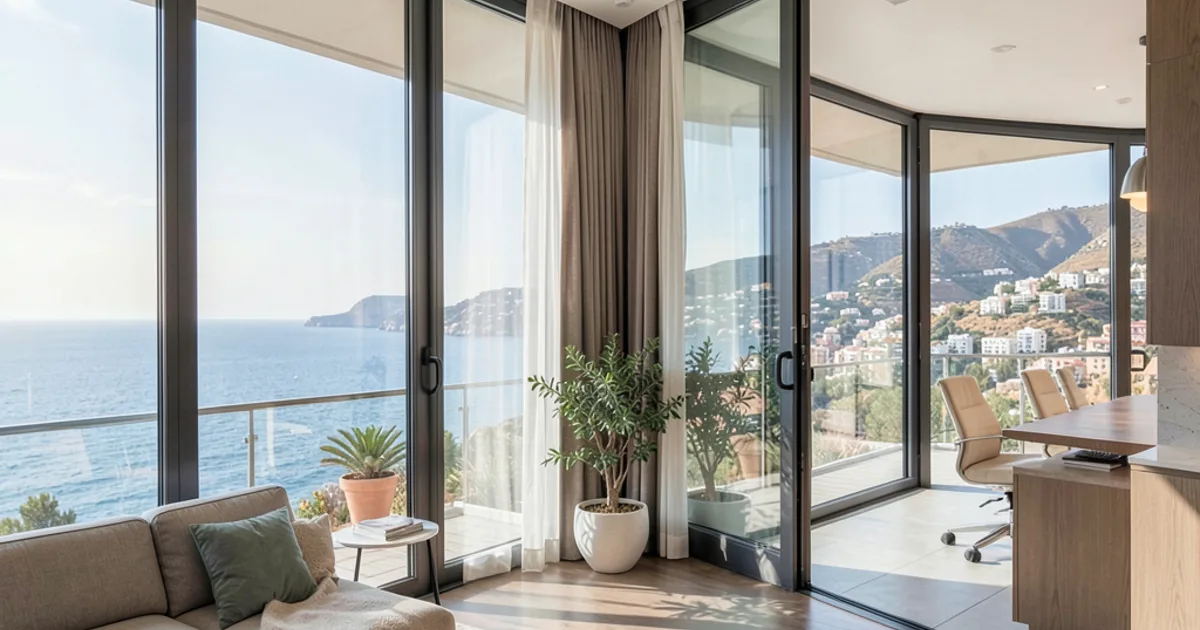
Deciding where to plant your roots in Israel is a journey that involves much more than just choosing a beautiful view. For many newcomers and locals alike, the choice often boils down to two distinct directions: the verdant, hilly landscapes of the Galilee in the north or the expansive, sun-drenched vistas of the Negev in the south. Each region offers a completely different rhythm of life, economic landscape, and real estate opportunity. This guide provides a comprehensive comparison to help you navigate the nuances of living in these two vital parts of the country.
- Geographical Landscapes and Climatic Realities
- Lifestyle, Culture, and Community Vibes
- Real Estate Landscapes: From Apartments to Villas
- Comparing the Cost of Living and Municipal Expenses
- Navigating Taxes and Mortgages (Mas Rekhisha and Mashkanta)
- Economic Opportunities and Employment Landscapes
- Infrastructure, Connectivity, and Accessibility
- Education, Integration, and Community Life
- Security and Geopolitical Considerations
- Long-Term Investment Potential and Growth
- Final Checklist for Your Relocation
Geographical Landscapes and Climatic Realities
The Galilee is defined by its rolling hills, lush greenery, and a Mediterranean climate that feels significantly more temperate than the rest of the country. For those who enjoy seasonal changes, the north offers a distinct experience, with cooler winters and more frequent rainfall that keeps the landscape vibrant. This topography creates a sense of enclosure and intimacy, with many residential areas tucked into valleys or perched on mountain ridges. Living here often means embracing a lifestyle that is closely connected to the natural, seasonal cycles of the land.
In stark contrast, the Negev offers a landscape of immense scale and striking, minimalist beauty. The terrain is largely arid, characterized by desert plains, rocky outcrops, and vast horizons that provide a sense of profound openness. The climate in the south is significantly hotter and drier, with long, intense summers that define the daily rhythm of life. While the heat can be a challenge, the Negev's unique light and the clarity of its night skies offer a quality of life that is highly sought after by those looking to escape the density of the center.
Understanding these climatic differences is crucial when considering property types, such as whether you require a home with heavy insulation or a villa designed for outdoor living. In the Galilee, your landscaping might focus on diverse flora and managing mountain runoff, whereas in the Negev, water conservation and thermal efficiency are the primary architectural concerns. Both regions offer unique aesthetic advantages, but they demand different approaches to how you inhabit your space and maintain your property.
Ultimately, your choice will depend on whether you find comfort in the shaded, green corridors of the north or the bright, expansive freedom of the south. The geography does not just dictate the view from your window; it dictates your clothing, your energy consumption, and your overall sensory experience of home. Recognizing these fundamental environmental shifts is the first step in a successful relocation.
- Galilee: Temperate Mediterranean climate, lush vegetation, mountainous terrain, higher rainfall.
- Negev: Arid desert climate, expansive plains, intense summer heat, unique stargazing opportunities.
Lifestyle, Culture, and Community Vibes
The lifestyle in the Galilee is often described as more bohemian, relaxed, and deeply rooted in tradition and nature. There is a strong presence of artsy communities, kibbutzim, and moshavim, which fosters a sense of tight-knit, community-oriented living. Many people move to the north seeking a slower pace of life, often drawn by the region's rich history and its diverse mix of cultural influences. It is a place where the boundaries between urban living and nature are frequently blurred, making it ideal for families and retirees alike.
The Negev, on the other hand, carries a pioneering and energetic spirit that is increasingly defined by rapid urban development. While it retains a sense of frontier life, many southern cities are evolving into modern hubs with a growing population of professionals and young families. The vibe is one of growth and possibility, where the community is often building something new rather than preserving something old. This makes the Negev an attractive option for those who are motivated by progress and the feeling of being part of a developing region.
Social integration in these areas can vary significantly depending on the specific town or village you choose. In the Galilee, you might find yourself in a community that values agricultural heritage and local crafts, whereas in the Negev, you may encounter a more diverse, urban-centric social structure. Both regions require an effort to engage with local customs and community norms to truly feel at home. Whether you prefer the quietude of a northern village or the burgeoning energy of a southern city, the social fabric of Israel is woven differently in each direction.
It is also worth noting the cultural diversity present in both regions. The Galilee has long been a melting pot of different religious and ethnic groups, which adds a layer of complexity and richness to daily life. The Negev is also experiencing significant demographic shifts as new populations move in to support the region's economic expansion. Understanding these social dynamics is essential for anyone planning to integrate into a new neighborhood.
- Galilee Vibe: Slower pace, artsy/bohemian, community-focused (Kibbutzim/Moshavim), nature-centric.
- Negev Vibe: Pioneering, energetic, urban growth, focus on development and new opportunities.
Real Estate Landscapes: From Apartments to Villas
The real estate market in the Galilee offers a diverse array of property types, often characterized by charm and historical character. You will find everything from boutique apartments in renovated stone buildings to expansive villas situated on hillside plots. Because of the terrain, many properties in the north are designed to maximize views, which can add a premium to the value. However, buyers should be aware that building on hilly terrain can involve more complex permits and higher construction costs during the development of a new build.
In the Negev, the real estate landscape is often more modern and structured, especially within the growing urban centers. You are more likely to find contemporary apartment buildings and planned residential neighborhoods that offer a sense of predictability and modern infrastructure. There is also significant potential for those looking to acquire larger plots of land for custom villas or ranch-style properties. The availability of land in the south can sometimes offer more flexibility for those wanting to design a home from the ground up.
When navigating these markets, it is vital to conduct thorough due diligence through the Tabu land registry. Whether you are looking at a penthouse in a northern city or a house in a southern development, ensuring the property's legal status is clear is paramount. In both regions, the process of purchasing involves signing a binding memorandum (Heskem), which outlines the terms of the sale and protects both parties. This is especially important in more remote areas where land use regulations might be more nuanced.
The choice between a Galilee villa and a Negev apartment often comes down to the balance between aesthetic uniqueness and modern convenience. The Galilee offers a sense of place and history that is hard to replicate, while the Negev offers the chance to be part of a modern, expanding urban fabric. Both regions present unique opportunities for different types of buyers, from the investor looking for long-term growth to the family seeking a permanent residence.
- Galilee Property Types: Stone houses, hillside villas, boutique apartments, kibbutz-style homes.
- Negev Property Types: Modern urban apartments, planned residential complexes, large plots for new builds.
Comparing the Cost of Living and Municipal Expenses
Estimating the cost of living in Israel requires looking beyond the sticker price of a home. In the Galilee, costs can vary wildly; while some rural areas are relatively affordable, popular tourist towns and scenic mountain villages can command significant prices. Beyond the mortgage, you must account for the Arnona, or municipal tax, which is calculated based on the size and location of your property. In many northern municipalities, the Arnona rates reflect the desirability of the area and the level of local services provided.
The Negev often presents a different economic profile, with many residential areas offering a more moderate cost of living compared to the central district. While major hubs like Beersheba are more expensive, the surrounding towns often provide more value for your money in terms of both property prices and general living expenses. However, the cost of utilities can be a factor in the south, as the need for air conditioning during the intense summer months can impact monthly budgets. It is wise to research the specific municipal rates for any town you are considering.
When budgeting for relocation, do not overlook the secondary costs associated with living in these regions. In the Galilee, you might spend more on maintaining lush gardens and managing the effects of seasonal rain. In the Negev, your budget might lean more toward water management systems and high-efficiency cooling. These lifestyle-specific costs are often overlooked but can become significant parts of your annual expenditure.
To get a realistic picture, it is recommended to speak with local residents or consult municipal websites regarding Arnona and local service fees. Comparing the total cost of ownership, including Mashkanta payments, taxes, and utilities, is much more effective than simply looking at property prices. A comprehensive budget will prevent surprises once you have settled into your new home.
- Cost Factors: Arnona (municipal tax), utility usage (cooling/water), maintenance of land/gardens, transportation costs.
Navigating Taxes and Mortgages (Mas Rekhisha and Mashkanta)
The financial mechanics of buying property in Israel are standardized, but their impact can feel different depending on the region. When purchasing a home, you must account for Mas Rekhisha, or purchase tax, which is a progressive tax based on the property value. This tax is a critical component of your initial capital requirement. Whether you are buying a new build or an existing apartment, understanding how the tax brackets apply to your specific purchase is essential for accurate financial planning.
Securing a Mashkanta, or mortgage, is the most common way to finance a home in both the Galilee and the Negev. However, banks may view different regions through different lenses of risk and potential value. While the Galilee and Negev are both considered part of Israel's peripheral regions, the specific municipality can influence the terms offered by a lender. It is always advisable to consult with a mortgage specialist who understands the nuances of lending in these specific geographic zones.
Once you own the property, you must also consider the implications of Mas Shevah, which is the capital gains tax applied when you eventually sell. For those looking at the Galilee or Negev as long-term investments, understanding how Mas Shevah affects your net profit is crucial. If you are selling a primary residence, there are often specific exemptions and rules that can significantly reduce this tax burden, but these must be navigated carefully with professional advice.
The entire process, from the initial offer to the final registration in the Tabu, requires a disciplined approach to documentation. Ensuring that the binding memorandum is legally sound and that all taxes are accounted for will protect your investment. By approaching the purchase with a clear understanding of Mas Rekhisha and Mashkanta, you can move forward with confidence in either the north or the south.
- Key Financial Terms: Mas Rekhisha (Purchase Tax), Mashkanta (Mortgage), Mas Shevah (Capital Gains Tax), Tabu (Land Registry).
Economic Opportunities and Employment Landscapes
The economic drivers in the Galilee are traditionally rooted in agriculture, tourism, and local services. Many residents find employment within the kibbutzim or in the various boutique industries that cater to the region's many visitors. However, there has been a steady increase in high-tech presence in northern cities, offering more diverse career paths for professionals. For those who work remotely, the Galilee offers a beautiful backdrop, though you must ensure your local infrastructure supports high-speed connectivity.
The Negev is currently undergoing a significant economic transformation, driven by massive state investments and a growing tech sector. Beersheba, in particular, has emerged as a major hub for innovation, particularly in fields related to cybersecurity, biotechnology, and desert technology. This makes the Negev an increasingly attractive destination for professionals in the tech and research sectors. The presence of major academic institutions and military research centers also creates a unique and robust job market.
For those relocating with a spouse or looking for career growth, the choice between North and South can be a deciding factor. The Galilee may offer a more stable, traditional economy, while the Negev offers a more dynamic, high-growth environment. It is important to assess not just the availability of jobs, but the growth trajectory of the industries present in each region. A career-centric move to the Negev might offer more rapid advancement, while the Galilee might suit those seeking a lifestyle-first approach.
Furthermore, the rise of remote work has somewhat leveled the playing field, allowing people to live in the Galilee while working for companies in Tel Aviv. However, the local economy still plays a vital role in the community's resilience. Understanding the local economic landscape ensures that your relocation is sustainable both personally and professionally.
- Galilee Economy: Agriculture, tourism, boutique industries, emerging northern high-tech.
- Negev Economy: Rapid tech growth, cybersecurity, biotechnology, academic/research hubs, government investment.
Infrastructure, Connectivity, and Accessibility
Connectivity is a vital consideration for anyone who does not intend to work solely within their local community. The Galilee, while beautiful, can sometimes feel remote, with travel to the center of the country requiring significant time on major highways. While the road networks are well-maintained, the mountainous terrain can make certain trips slower than they might appear on a map. Public transportation is available, but for many, owning a reliable vehicle is a necessity for navigating the north effectively.
The Negev's infrastructure is seeing significant upgrades as part of the state's strategic plan to develop the south. Major highways connect the southern cities to the center, and there is a continuous effort to improve rail links and public transit options. As the region grows, the accessibility of its urban centers is expected to improve, making it more feasible for commuters. However, the vast distances between settlements mean that car travel remains the most common way to move around the desert.
When evaluating a potential home, consider the proximity to major transit arteries and the quality of local roads. For those who travel frequently to Tel Aviv or other metropolitan areas, the time commitment is a real factor in your daily quality of life. In the Galilee, you might find yourself enjoying scenic but winding roads, whereas in the Negev, you will likely deal with long, straight stretches of highway.
Infrastructure also includes digital connectivity. In both regions, ensure that the specific area you are interested in has the fiber-optic or high-speed internet capabilities required for modern life. A beautiful villa in a remote part of the Galilee is less functional if you cannot maintain a stable connection for work or communication.
- Connectivity Factors: Highway travel times, public transit availability, rail access, digital/internet infrastructure.
Education, Integration, and Community Life
For families, the availability of quality education and the ease of social integration are paramount. In the Galilee, the community structure often revolves around local schools and community centers that are deeply integrated into the social fabric. For newcomers, finding a local Ulpan, a Hebrew language school, can be a vital first step in both integrating into the community and understanding the local culture. The social life in the north often feels more established and traditional, which can be comforting for some.
In the Negev, the educational landscape is rapidly evolving to keep pace with the growing population. New schools and educational facilities are being built in many of the expanding southern cities, often with a focus on modern curriculum and technology. Because the region is growing so quickly, there is a strong sense of building a new community together, which can be an incredibly rewarding experience for young families. Integration here often happens through shared participation in the region's development and growth.
The process of settling in can be made easier by engaging with local municipalities and community organizations. Whether you are moving to a small northern village or a larger southern city, the local community will be your primary support network. Understanding the local school districts and the availability of extracurricular activities is an essential part of the relocation planning process.
Ultimately, the 'feel' of the community will depend on your personal values. If you seek a community with deep historical roots and a slower social pace, the Galilee may be your match. If you prefer a community that is dynamic, growing, and focused on the future, the Negev might feel more like home.
- Integration Tools: Ulpan (language learning), local municipal services, community centers, school district research.
Security and Geopolitical Considerations
An honest guide to living in Israel must address the reality of security, particularly when discussing peripheral regions like the Galilee and the Negev. Both regions are located closer to Israel's borders than the central metropolitan area, which means they can be subject to different security dynamics. While most residents live their lives with standard precautions, it is important to be aware of the regional context and how it might impact your sense of stability.
The Galilee, being in the north, has its own specific security profile related to its proximity to northern borders. Similarly, the Negev's security context is shaped by its southern geography. For most people, these considerations manifest as occasional alerts or changes in local routines, but they are a factor that should be discussed with local authorities and neighbors. Understanding the local security protocols and the presence of civil defense measures is part of being an informed resident.
When choosing a home, some buyers look for specific features, such as reinforced rooms (mamad) within the house or apartment, which are standard in many modern Israeli builds. These features provide peace of mind and are an integral part of the architectural landscape in both the north and the south. Being proactive about understanding the security infrastructure of your chosen area is a responsible part of the relocation process.
Ultimately, security is a nuanced topic that requires looking at specific towns rather than entire regions. A large, well-established city in the Negev may have a very different security profile than a small, remote village in the Galilee. Always research the specific municipality and its history to make an informed decision that aligns with your comfort level.
Long-Term Investment Potential and Growth
Viewing your new home as a long-term asset is a common strategy in Israel. Both the Galilee and the Negev are seen as regions with significant growth potential, though the drivers of that growth differ. The Galilee's value is often tied to its enduring appeal as a lifestyle destination and its stable, historical charm. As more people seek to escape the density of the center, the demand for high-quality northern real estate is expected to remain steady.
The Negev, however, is often viewed through the lens of rapid capital appreciation. Because the state is heavily investing in the southern infrastructure and tech sectors, many believe that the value of property in developing southern hubs could see substantial growth. This makes the Negev an attractive option for those looking for a more aggressive investment profile. However, this also comes with the inherent risks associated with developing markets and changing economic priorities.
When calculating your potential return, remember to factor in Mas Shevah (capital gains tax) and the costs of property maintenance. A property that appreciates in value is only a successful investment if the net gains, after taxes and expenses, meet your financial goals. It is important to approach these regions with a balanced view of both the lifestyle benefits and the financial outcomes.
In summary, the Galilee offers a more predictable, lifestyle-driven investment, while the Negev offers a more growth-oriented, dynamic potential. Both require careful study of local development plans and municipal trends. Consulting with a professional who understands the Israeli real estate market can help you align your property purchase with your long-term financial objectives.
- Investment Outlook: Galilee (stability, lifestyle demand, historical value), Negev (high growth potential, state-driven development, tech-driven demand).
Final Checklist for Your Relocation
Deciding between the Galilee and the Negev is a significant life event that requires a multi-faceted approach. Start by defining your non-negotiables: Is it the climate? The proximity to work? The type of community? Once you have your priorities, begin your research by looking at specific municipalities rather than broad regions. This will give you a much clearer picture of the actual day-to-day reality in each location.
The next step is to visit both regions during different seasons. Seeing the Galilee in the rainy winter and the Negev in the peak of summer will provide a much more authentic understanding of the environments you will be living in. During these visits, try to spend time in the actual neighborhoods you are considering, rather than just the main tourist centers. This helps you gauge the noise levels, the local amenities, and the overall atmosphere.
Finally, engage with the professional side of the process early. Consult with legal experts regarding the Tabu and the binding memorandum, speak with mortgage specialists about your Mashkanta options, and research the Arnona rates for your target towns. A well-prepared relocation is one where the financial and legal foundations are as solid as the home you are building. Whether you choose the green hills or the desert sands, preparation is the key to a successful transition.
- Relocation Steps: Define priorities, visit in different seasons, research specific municipalities, consult legal and financial professionals.
FAQ
Is the Negev generally more affordable than the Galilee?
While many areas in the Negev offer more moderate pricing compared to the central district, it is not a universal rule. Some growing hubs in the south can be quite expensive, just as some scenic parts of the Galilee can command premium prices. It is best to compare specific municipalities and total costs, including Arnona and utilities, rather than just the property price.
Can I get a mortgage for a house in the Galilee or Negev?
Yes, obtaining a Mashkanta is common in both regions, but banks may evaluate the risk differently based on the specific location. Some more remote or peripheral areas might face stricter lending criteria than established urban centers. It is highly recommended to work with a mortgage specialist who understands the regional nuances of the Israeli banking sector.
How does the purchase tax (Mas Rekhisha) work in these regions?
Mas Rekhisha is a national tax applied to real estate transactions across Israel, regardless of whether you are in the north or south. The amount you pay depends on the property value and whether it is your only residence. You should always account for this tax in your initial budget to avoid unexpected costs during the closing process.
Which region is better for tech professionals?
The Negev, particularly around Beersheba, is seeing massive growth in the tech and research sectors due to state investment. The Galilee also has emerging tech hubs, but they are often more decentralized and integrated into smaller communities. If you seek a high-growth tech environment, the Negev may offer more direct opportunities.
Get your personalised shortlist
Listings and up-to-date info, straight to your inbox, free, no obligation.
See homes for sale →