How to analyse an israeli neighbourhood before buying
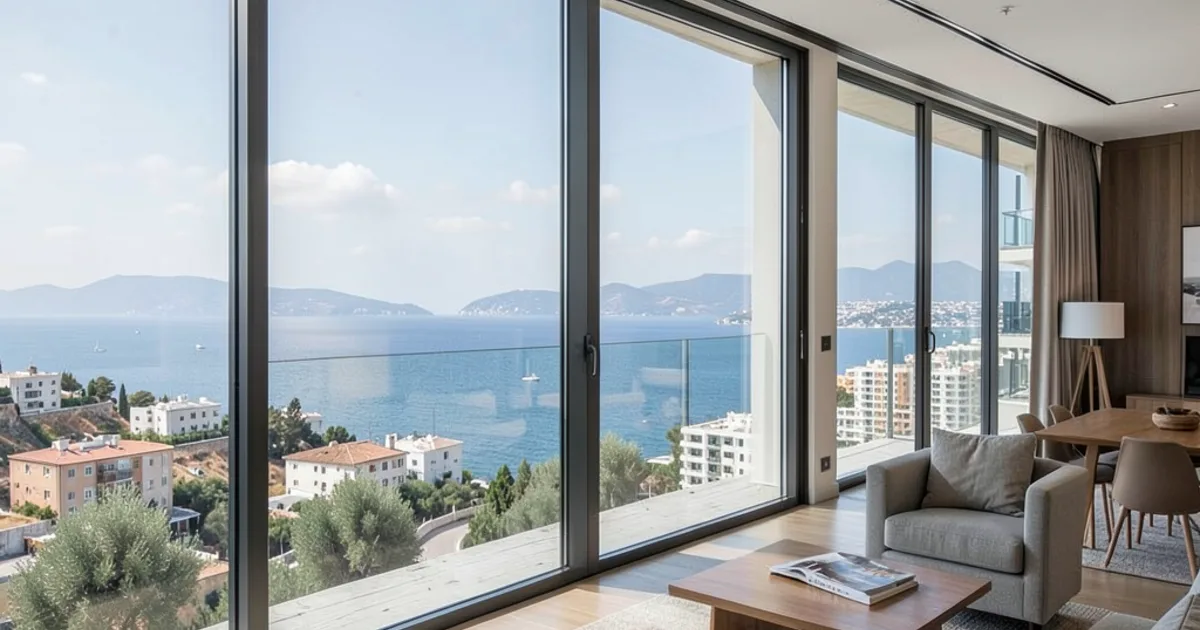
Navigating the Israeli real estate market can be a daunting task for both local residents and international investors. Beyond the aesthetic appeal of a luxury penthouse or a sprawling villa, the long-term value and lifestyle quality of your investment depend heavily on the surrounding neighborhood. This guide provides a professional, step-by-step framework for analyzing an Israeli neighborhood to ensure your purchase is both a sound financial decision and a perfect fit for your lifestyle.
- Decoding the Social and Demographic Fabric
- Evaluating Urban Planning and Future Zoning
- Assessing Connectivity and Infrastructure
- Investigating Educational and Community Amenities
- Understanding the Legal Status and Land Registry
- Calculating the True Cost of Ownership
- Analyzing Neighborhood Property Types and Trends
- Evaluating Environmental, Noise, and Security Factors
- Navigating the Local Municipality and Zoning Laws
- Preparing for the Binding Memorandum and Closing
- Comparing New Builds vs. Established Neighborhoods
Decoding the Social and Demographic Fabric
Israel is a unique mosaic of cultures, religious observances, and social lifestyles, making the 'vibe' of a neighborhood a critical factor. Before committing to a purchase, you must understand whether a neighborhood is predominantly secular, traditional, or religious. This distinction is not merely social; it dictates the rhythm of daily life, including the availability of public transport on Shabbat and the operating hours of local businesses.
The demographic makeup also influences the long-term stability and character of the area. A neighborhood populated by young families will often have different amenities and noise levels compared to an area dominated by retirees or young professionals. You should observe the local parks, the types of grocery stores available, and the presence of community centers to gauge who your future neighbors will be.
It is also important to consider the integration of newcomers. In many urban centers, neighborhoods are transitioning as more immigrants arrive and establish themselves. Understanding if a neighborhood is an established stronghold or a growing melting pot can help you anticipate how the community will evolve over the coming decade.
- Observe the presence of local synagogues or community centers.
- Note the frequency of grocery stores operating on Saturdays.
- Assess the age demographic by looking at playground usage versus quiet residential streets.
- Check for the presence of community-specific cultural hubs.
Evaluating Urban Planning and Future Zoning
One of the most common mistakes buyers make is looking only at the current view rather than the future skyline. In Israel, urban density is constantly shifting due to high demand and government initiatives to increase housing supply. A quiet, breezy neighborhood today could be subject to massive construction projects tomorrow, significantly altering your privacy and sunlight access.
To avoid surprises, you must investigate the local municipality's master plans. These plans outline where new high-rises, commercial zones, or public parks are slated to be built. It is essential to understand the concept of 'Taba' (planning committees) and how they govern local development. A neighborhood that appears tranquil might actually be in the middle of a rezoning process that allows for much higher density.
Furthermore, always ask about the 'Tzav Ha'ad' or specific local building regulations that might affect your property. If you are buying a house or a villa, knowing whether the land is designated for future residential expansion or commercial use is vital. Always cross-reference what a developer tells you with the official municipal records to ensure accuracy.
- Request a summary of the local municipal master plan.
- Inquire about any pending building permits in the immediate vicinity.
- Identify if the area is designated for high-density residential growth.
- Verify the height restrictions for neighboring plots.
Assessing Connectivity and Infrastructure
In the Israeli context, accessibility is a primary driver of both lifestyle convenience and property appreciation. You must evaluate how easily you can reach major employment hubs, medical facilities, and shopping centers. This includes assessing the reliability of local bus networks and the proximity to the 'Rakevet' (train) stations or light rail lines.
Traffic congestion is a significant factor in many Israeli cities. A neighborhood that is geographically close to a city center might still be difficult to navigate during peak hours if the local arteries are poorly designed. It is highly recommended to visit the area during different times of the day and week to experience the actual flow of traffic and the availability of parking.
Infrastructure also extends to the quality of local roads and the ease of pedestrian movement. A neighborhood that is 'walkable', meaning it has well-maintained sidewalks and safe crossings, tends to hold its value better than those that require a car for every minor errand. Consider how the local infrastructure supports your specific needs, whether that is proximity to a highway or a quiet residential lane.
- Test the commute times during morning and evening rush hours.
- Check the walking distance to the nearest public transport hub.
- Evaluate the availability of street parking and its impact on local residents.
- Assess the quality of pedestrian infrastructure and sidewalk connectivity.
Investigating Educational and Community Amenities
For families, the quality of local schools is often the deciding factor in a neighborhood choice. Israel offers a variety of educational tracks, including Mamlachti (state), Mamlachti-Dati (state-religious), and various private or specialized institutions. You should research the reputation of the local schools and the specific educational philosophy they follow to ensure it aligns with your family's values.
Beyond formal schooling, look for the presence of 'Ulpanim' or language centers if you are a newcomer, as these are vital for social integration. Community centers, known as 'Matnas,' also play a huge role in providing extracurricular activities, adult education, and social cohesion. A neighborhood with a robust community center often feels more secure and interconnected.
The proximity to parks, libraries, and sports facilities should also be a priority. In dense urban environments, access to green space is a premium luxury. A neighborhood that offers well-maintained public parks will generally attract more stable, long-term residents, which can contribute to a more predictable real estate market.
- Research the ranking and reputation of local state and religious schools.
- Locate the nearest community center (Matnas) and its offerings.
- Identify nearby public parks and their maintenance levels.
- Check for the availability of language training and integration services.
Understanding the Legal Status and Land Registry
The legal foundation of a property is the most critical aspect of your due diligence. In Israel, the 'Tabu' (the official Land Registry) is the ultimate authority on property ownership. You must ensure that the property you are interested in is properly registered in the Tabu, as this provides the legal certainty required for any mortgage or future sale.
During your analysis, you must verify that there are no unexpected liens, encumbrances, or existing 'Mashkanta' (mortgages) that could complicate the transfer of ownership. A thorough legal review will check if the seller has the full right to sell the property and if there are any legal disputes regarding the boundaries or the rights of other residents in the building.
It is also important to distinguish between different types of land ownership and rights. Some properties may be held under different legal frameworks that affect your ability to renovate or expand. Always engage a qualified professional to review the property's history and ensure that the description in the sales agreement matches the official registry records.
- Verify the property's registration status in the Tabu land registry.
- Confirm the absence of any undisclosed liens or legal encumbrances.
- Ensure the seller has clear, unencumbered title to the property.
- Check for any existing mortgages (Mashkanta) that must be cleared.
Calculating the True Cost of Ownership
The purchase price is only the beginning of your financial commitment. One of the most significant immediate costs is the 'Mas Rekhisha' (purchase tax), which is calculated based on the property value and your personal status (such as being a first-time buyer). This tax can vary significantly, so you must factor it into your initial budget to avoid liquidity issues.
Ongoing monthly expenses also differ by neighborhood and property type. 'Arnona' (municipal property tax) is a recurring cost that varies depending on the municipality, the size of the property, and its usage (residential vs. commercial). You should contact the local municipality to get an estimate of the annual Arnona for the specific area or property type you are considering.
For apartment owners, the 'Va'ad Bayit' (building committee) fees are a vital consideration. These fees cover communal maintenance, security, cleaning, and elevator upkeep. In luxury buildings or gated communities, these costs can be substantial. Always ask for the recent history of the building's maintenance expenses to avoid inheriting a deficit from previous years.
- Estimate the Mas Rekhisha (purchase tax) based on current government tiers.
- Inquire about the local municipality's Arnona rates for residential properties.
- Review the historical Va'ad Bayit (maintenance) costs for the building.
- Factor in potential costs for long-term structural maintenance.
Analyzing Neighborhood Property Types and Trends
Different neighborhoods attract different types of real estate, and understanding these trends is key to predicting future value. Some areas are known for high-end penthouses and luxury villas, which tend to be more stable but offer lower rental yields. Other areas might be dominated by smaller, older apartments that are popular with students or young professionals, offering higher turnover and different investment profiles.
You should analyze the supply and demand dynamics of the specific neighborhood. Is the area seeing an influx of new builds, which might increase competition, or is it a 'supply-constrained' area where older properties are highly sought after? A neighborhood with a diverse mix of property types often shows more resilience during market fluctuations.
For investors, it is also important to consider the 'Mas Shevah' (capital gains tax) implications. While this is primarily a concern for the seller, understanding the tax landscape of the area can help you understand the motivations of the sellers you encounter. An area with many long-term owners might have different market dynamics than an area with many speculative investors.
- Identify the predominant property types in the target area.
- Assess the balance between new developments and established buildings.
- Evaluate the historical rental demand for the specific property type.
- Analyze the local market's supply and demand equilibrium.
Evaluating Environmental, Noise, and Security Factors
The quality of your daily life will be heavily influenced by the environmental factors of your neighborhood. Noise pollution is a major concern, especially in urban centers near main roads, construction sites, or nightlife districts. When evaluating a neighborhood, visit at different times, specifically late at night and during peak business hours, to gauge the actual acoustic environment.
Security is another paramount consideration in the Israeli context. While many neighborhoods are highly secure, you should understand the local security infrastructure, such as gated entrances, security guards, or municipal surveillance. Understanding the general sense of safety in an area can significantly impact both your peace of mind and the property's resale value.
Finally, consider the presence of green spaces and the general cleanliness of the area. Proximity to well-maintained parks and the absence of industrial pollution or heavy traffic can make a neighborhood much more desirable. A neighborhood that prioritizes environmental health and quietude will often command a premium in the long run.
- Conduct noise assessments during evening and weekend hours.
- Evaluate the local security measures and community safety reputation.
- Check the proximity to industrial zones or heavy transit corridors.
- Assess the cleanliness and maintenance of public streets and parks.
Navigating the Local Municipality and Zoning Laws
The local municipality is the most powerful entity in determining the future of a neighborhood. Decisions made by the local planning committee can change the character of a street overnight. It is important to understand how active the municipality is in your chosen area and whether they are prioritizing urban renewal projects, such as 'Pinui Binui' (evacuation and reconstruction).
Urban renewal projects can be a double-edged sword. On one hand, they can significantly increase the value of your property by modernizing the neighborhood. On the other hand, they can cause years of construction noise, dust, and disruption. You must determine if your chosen neighborhood is a target for such large-scale municipal interventions.
Always verify the specific zoning permissions for the property you are eyeing. If you plan to renovate a house or a villa, you need to know if the local zoning laws allow for additional floors or expanded footprints. Misunderstanding these regulations can lead to costly legal battles and the inability to realize the full potential of your investment.
- Research the municipality's history of urban renewal projects.
- Confirm the specific zoning rights for the property in question.
- Inquire about upcoming municipal infrastructure improvements.
- Understand the local process for obtaining building permits.
Preparing for the Binding Memorandum and Closing
Once you have analyzed the neighborhood and found the perfect property, the final step is the legal transition. The signing of the 'binding memorandum' (Hozay He'esker) is a critical moment that commits you to the purchase. This document is the foundation of your transaction, and it must be drafted with extreme precision to protect your interests.
Never sign a memorandum without a thorough review by a qualified lawyer. The agreement should clearly outline all terms, including the payment schedule, the handover date, and the specific conditions that must be met before the sale is finalized. It should also address what happens if there are discrepancies in the Tabu or if the seller cannot fulfill their obligations.
The closing process involves several moving parts, from the payment of Mas Rekhisha to the final registration in the Tabu. Ensure that your lawyer coordinates with the seller's legal counsel to ensure a smooth transfer. A well-analyzed neighborhood and a well-drafted contract are the two pillars of a successful real estate acquisition in Israel.
- Engage a lawyer to draft and review the binding memorandum.
- Clearly define all conditions for the final transfer of ownership.
- Establish a precise and realistic payment schedule.
- Confirm all municipal and tax obligations are accounted for.
Comparing New Builds vs. Established Neighborhoods
Choosing between a brand-new development and an established neighborhood is a fundamental decision. New builds often offer modern amenities, energy-efficient designs, and the latest architectural standards. However, they may lack the immediate sense of community and the mature infrastructure that older, established neighborhoods provide.
Established neighborhoods often have a more settled social fabric and better-developed amenities like schools and shops. However, you may encounter older plumbing, electrical systems, or less efficient layouts. Furthermore, the potential for rapid capital appreciation through urban renewal might be higher in older areas than in areas that are already fully developed.
You must weigh the pros and cons based on your long-term goals. If you are looking for immediate move-in readiness and modern luxury, a new build or a penthouse in a recent development might be ideal. If you prefer a sense of history, established community ties, and the potential for value growth through renovation, an older neighborhood might be the better choice.
- Compare the maintenance requirements of new vs. old properties.
- Evaluate the maturity of local amenities in both types of areas.
- Assess the potential for value appreciation through urban renewal.
- Consider the immediate lifestyle differences in community stability.
FAQ
How can I check the official zoning plans for an Israeli neighborhood?
You can access municipal planning maps through the local municipality's website or visit their planning department in person. Many municipalities provide digital tools to view upcoming projects and current zoning designations.
What is the most important document to request before buying?
The most critical document is an up-to-date extract from the Tabu (Land Registry). This document confirms the legal owner, the property boundaries, and any existing mortgages or liens.
How does the religious character of a neighborhood affect my purchase?
The religious character determines the availability of services, such as kosher food, and the rhythm of life, such as Shabbat closures. In religious neighborhoods, noise levels may be lower on Saturdays, whereas in secular areas, life continues as usual.
Are new developments safer investments than older neighborhoods?
New developments often have modern security features and updated infrastructure, which can be appealing. However, older neighborhoods in prime locations may offer better long-term value due to their established status and potential for urban renewal.
What are the hidden costs of buying an apartment in Israel?
Beyond the purchase price and Mas Rekhisha, you must account for Arnona (municipal tax), Va'ad Bayit (building maintenance), and legal fees. You should also consider the costs of moving and any immediate renovations required.
Get your personalised shortlist
Listings and up-to-date info, straight to your inbox, free, no obligation.
See homes for sale →