Comparing property prices in Herzliya vs Tel Aviv
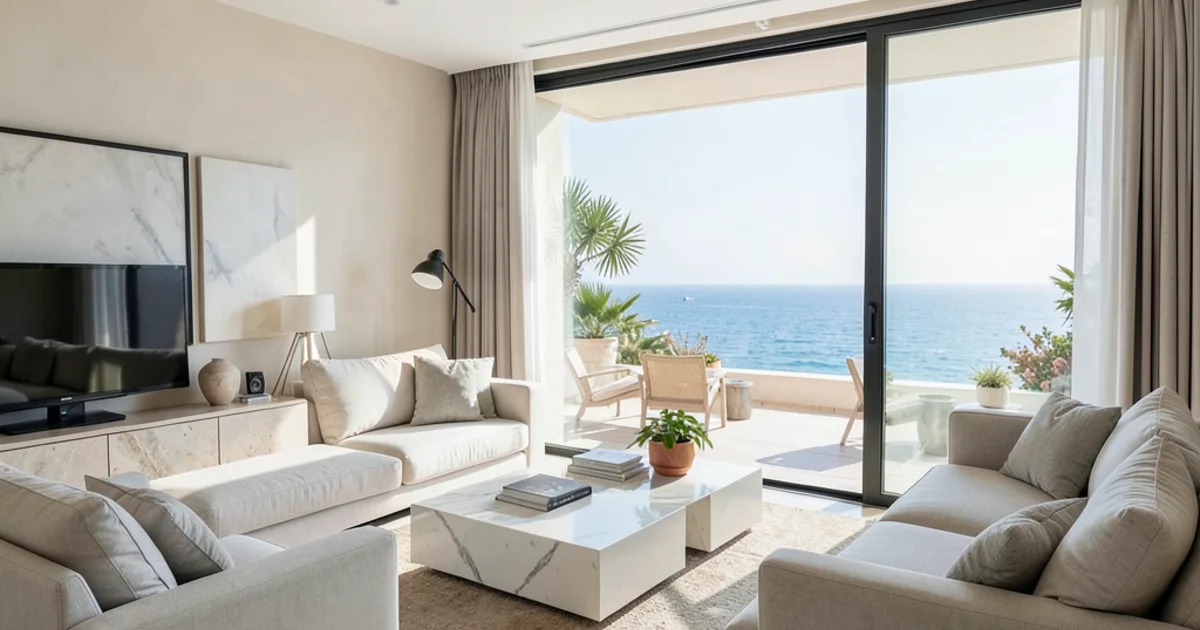
Navigating the premium real estate market in Israel's center region requires more than just a glance at listing prices. For discerning buyers, the choice between the urban intensity of Tel Aviv and the refined coastal living of Herzliya involves a complex calculation of lifestyle, asset type, and long-term value. This guide provides a side-by-side analysis of these two powerhouse markets to help you make an informed decision.
- Understanding the Coastal Real Estate Landscape
- Analyzing Price Per Square Meter: Tel Aviv vs. Herzliya
- Tel Aviv: The Epicenter of Urban Luxury
- Herzliya: The Premier Choice for Space and Privacy
- Luxury Asset Comparison: Penthouses vs. Private Villas
- Investment Potential and Market Liquidity
- Navigating Taxes and Transaction Costs in Israel
- The Legal Framework: Tabu, Contracts, and Due Diligence
- Location Nuances: Pituach vs. Central Tel Aviv
- Lifestyle and Long-Term Residency Considerations
Understanding the Coastal Real Estate Landscape
The coastal strip of Israel, stretching from the bustling metropolis of Tel Aviv to the tranquil shores of Herzliya, represents some of the most sought-after real estate in the Middle East. This region serves as the economic and cultural heart of the country, attracting both domestic high-net-worth individuals and international investors. While both cities are categorized as premium markets, they offer fundamentally different approaches to luxury living and wealth preservation.
In Tel Aviv, luxury is often defined by verticality, proximity to the nightlife, and the sheer energy of a global city. The demand here is driven by a constant influx of tech entrepreneurs and international professionals who prioritize being at the center of everything. This high demand, coupled with extremely limited land availability, creates a market characterized by rapid movement and high entry barriers.
Herzliya, conversely, offers a more measured and spacious luxury experience. It is a market that caters to those seeking a balance between high-end amenities and a sense of privacy that is often unattainable in Tel Aviv. Whether it is the prestigious villas of Herzliya Pituach or the modern luxury towers near the marina, the city provides a lifestyle that feels more suburban yet remains deeply connected to the economic hubs of the center.
- Tel Aviv: High density, urban energy, and vertical luxury.
- Herzliya: Spacious estates, coastal tranquility, and privacy-focused living.
- Both: High demand, premium valuations, and significant investment interest.
Analyzing Price Per Square Meter: Tel Aviv vs. Herzliya
When comparing these two markets, the most critical metric for any investor is the price per square meter. In Tel Aviv, this figure is widely recognized as the benchmark for the entire country, often reaching levels that far exceed other coastal cities. The scarcity of new construction in central districts means that every additional square meter of space carries a massive premium, especially when overlooking the Mediterranean Sea.
Herzliya sits in a unique position within the pricing hierarchy. While it commands a much higher price per square meter than cities like Netanya, it generally remains below the peak valuations found in Tel Aviv's most central neighborhoods. This difference allows buyers to acquire significantly more physical space for a similar total investment, a factor that is particularly attractive to families and those looking for larger residential footprints.
Several variables influence these price fluctuations across both cities. Proximity to the coastline, the age of the building, and the level of modern amenities like underground parking or advanced security systems are all decisive. In both markets, a sea view is not just a luxury but a primary driver of valuation that can drastically alter the price per square meter compared to an inland unit.
- Tel Aviv: Higher price per square meter due to extreme land scarcity.
- Herzliya: Offers a more competitive ratio of space to price.
- Key drivers: Sea views, proximity to business hubs, and building age.
Tel Aviv: The Epicenter of Urban Luxury
Tel Aviv's luxury market is defined by its relentless pace and its vertical architecture. Because there is almost no room for lateral expansion, luxury real estate has moved upward into high-rise towers and sprawling penthouses. These properties offer residents a lifestyle of convenience, with high-end security, concierge services, and views that encompass the entire skyline and the Mediterranean horizon.
The demand for Tel Aviv real estate is remarkably resilient, often acting as a 'blue chip' asset in the Israeli economy. Even during periods of market fluctuation, the central districts of Tel Aviv maintain a high level of interest due to their scarcity. For many, owning a property here is as much about the status and the lifestyle as it is about the physical structure itself.
However, this urban luxury comes with specific trade-offs. The density of the city means that privacy can be difficult to maintain, even in high-end buildings. Buyers must often choose between the convenience of a central location and the quietude of a more secluded neighborhood. This tension is a constant theme in the Tel Aviv real estate narrative.
- Asset types: Luxury penthouses, high-rise apartments, and boutique buildings.
- Market characteristic: High liquidity and constant demand.
- Trade-off: High density versus urban convenience.
Herzliya: The Premier Choice for Space and Privacy
Herzliya offers a different kind of prestige, one that is rooted in space, greenery, and a more relaxed atmosphere. The market is split between the high-end residential areas that favor large, independent villas and the modern developments that offer luxury apartment living. For many, Herzliya represents the ideal 'middle ground', close enough to the action of Tel Aviv, but far enough to escape the noise.
Herzliya Pituach, in particular, stands as one of the most exclusive micro-markets in Israel. Here, the focus is on large plots of land and magnificent private estates that provide a level of seclusion that is virtually impossible to find in Tel Aviv. This area attracts a demographic that values privacy and a family-oriented environment without sacrificing proximity to the high-tech corridors.
The city's infrastructure also supports its luxury status. With easy access to major highways and a well-developed maritime scene around the marina, Herzliya provides a sophisticated lifestyle that appeals to both retirees and growing families. The blend of business and leisure makes it a highly stable market for long-term residency.
- Herzliya Pituach: The gold standard for private villas and estates.
- Lifestyle: A balance of high-tech connectivity and coastal calm.
- Demographic: Families and high-net-worth individuals seeking privacy.
Luxury Asset Comparison: Penthouses vs. Private Villas
A fundamental distinction between the two cities lies in the types of luxury assets available. In Tel Aviv, the 'pinnacle' of real estate is often the penthouse. These units are designed for those who want to live at the top of the world, enjoying panoramic views and state-of-the-art amenities. The luxury here is concentrated, high-tech, and deeply integrated into the urban fabric.
In contrast, Herzliya's luxury market is heavily weighted toward the private villa. These properties offer something a penthouse cannot: land and a private garden. For many wealthy buyers, the ability to have a pool, a large outdoor entertaining area, and a sense of physical separation from neighbors is the ultimate expression of luxury. This makes Herzliya the preferred destination for those who prioritize a 'home' over an 'apartment'.
When comparing these two, one must consider the long-term maintenance and the nature of the ownership. A penthouse in a luxury tower may involve higher monthly service fees (Va'ad Bayit) but offers more hands-off management. A villa in Herzliya offers more autonomy and space but requires significantly more personal management and maintenance of the grounds and the structure.
- Tel Aviv: Emphasis on vertical luxury and high-end penthouses.
- Herzliya: Emphasis on horizontal luxury and private villas.
- Maintenance: Penthouses offer convenience; villas offer autonomy.
Investment Potential and Market Liquidity
From an investment perspective, both cities offer strong opportunities, but they serve different strategies. Tel Aviv is often viewed as the most liquid market in Israel. Because of the sheer volume of buyers and the constant demand for central living, properties in Tel Aviv can often be sold or rented relatively quickly. This makes it an excellent choice for investors looking for capital appreciation and ease of exit.
Herzliya offers a different kind of stability. While the turnover might be slightly slower than in the frantic Tel Aviv market, the long-term value of large residential assets in areas like Pituach is exceptionally high. These properties tend to hold their value well and appeal to a very stable, high-net-worth demographic that is less prone to market volatility.
Rental yields should also be considered. Tel Aviv's high entry prices can sometimes lead to lower percentage yields compared to the capital cost, whereas Herzliya's luxury villas can command very high rents from corporate executives and expatriates. Investors must weigh the immediate rental income against the long-term potential for property value growth in both regions.
- Tel Aviv: High liquidity and rapid market movement.
- Herzliya: Stability and long-term value retention.
- Strategy: Tel Aviv for quick turnover; Herzliya for wealth preservation.
Navigating Taxes and Transaction Costs in Israel
Purchasing luxury real estate in Israel involves several significant costs beyond the sticker price. The most prominent is the Mas Rekhisha (Purchase Tax), which is a progressive tax based on the value of the property. For luxury homes in both Tel Aviv and Herzliya, which often fall into the highest tax brackets, this can represent a substantial portion of the total acquisition cost. It is vital to understand how your residency status affects these rates.
Another critical consideration is the Mas Shevah (Capital Gains Tax). This tax is applied when you eventually sell the property and realize a profit. While there are certain exemptions for a primary residence, luxury investors must plan for this liability. Understanding the difference between the cost of acquisition and the final sale price is essential for calculating your actual return on investment.
Beyond these major taxes, buyers must account for recurring and transactional costs. This includes the Arnona (municipal property tax), which is calculated based on the size and location of the property, and the fees associated with legal representation and notary services. When negotiating the binding memorandum, ensure that all these costs are factored into your financial planning to avoid unexpected liquidity issues.
- Mas Rekhisha: Progressive purchase tax based on property value.
- Mas Shevah: Capital gains tax on the profit from a sale.
- Additional costs: Arnona (municipal tax), legal fees, and notary costs.
The Legal Framework: Tabu, Contracts, and Due Diligence
The security of your real estate investment in Israel relies heavily on the Tabu (the Land Registry). Before any funds are transferred, it is imperative to conduct thorough due diligence to ensure the property is correctly registered and free of any undisclosed liens or encumbrances. A property that is not properly registered in the Tabu can lead to significant legal complications during the transfer of ownership.
The process of buying a property is formalized through a binding memorandum, or contract. This document outlines all the terms of the sale, from the price and payment schedule to the conditions for handover. It is standard practice to have a specialized real estate lawyer review this document to ensure that your interests are protected, especially regarding the condition of the property and any existing Mashkanta (mortgages) that need to be cleared.
Due diligence should also extend to the building's physical and structural integrity. In luxury developments, this means checking for compliance with municipal building permits and ensuring that all promised amenities are legally part of the property. Taking these steps ensures that the transition from a buyer to an owner is as seamless as possible and that your investment is legally sound.
- Tabu: The essential land registry for verifying ownership.
- Binding Memorandum: The legal contract governing the sale.
- Due Diligence: Checking for liens, mortgages (Mashkanta), and permits.
Location Nuances: Pituach vs. Central Tel Aviv
Not all luxury locations are created equal, and the distinction between Herzliya Pituach and Central Tel Aviv is a perfect example. Herzliya Pituach is characterized by its low-density, high-prestige residential atmosphere. It is a place where the streets are quiet, the gardens are expansive, and the community is highly exclusive. It is a destination for those who want their home to be a private sanctuary.
Central Tel Aviv, on the other hand, offers a 'location-driven' luxury. The value here is derived from being within walking distance of the finest restaurants, art galleries, and business centers. The luxury is communal and outward-facing. You are not just buying a home; you are buying access to the most vibrant social and economic ecosystem in the country.
Choosing between these two requires an honest assessment of your daily lifestyle needs. If your priority is to host large garden parties and enjoy total privacy, Pituach is the clear winner. If your priority is to step out of your door and be in the middle of a world-class urban environment, Tel Aviv is unmatched. Both offer incredible value, but the 'value' is felt in very different ways.
- Herzliya Pituach: Quiet, exclusive, and garden-oriented.
- Central Tel Aviv: Vibrant, accessible, and urban-centric.
- Decision factor: Privacy vs. Proximity to urban amenities.
Lifestyle and Long-Term Residency Considerations
For those moving to Israel, especially those who may be undergoing an Ulpan (Hebrew language intensive) or settling into a new culture, the choice of residence can significantly impact their integration. Tel Aviv offers a highly international environment where English is widely spoken and the culture is incredibly diverse. This can make the transition easier for many expatriates, though the pace can be overwhelming.
Herzliya provides a more settled, community-focused environment. While it is still very international, the atmosphere is more suburban and stable. This can be particularly beneficial for families who are looking to establish long-term roots in a more predictable and calm setting. The lifestyle in Herzliya is often described as more 'relaxed luxury' compared to the 'high-octane luxury' of Tel Aviv.
Ultimately, your choice should reflect your long-term vision for living in Israel. Are you looking for a base of operations in the middle of a global tech hub, or are you looking for a permanent family estate by the sea? Both Tel Aviv and Herzliya offer exceptional living standards, but the experience of enjoying that luxury will differ profoundly based on the city you choose.
- Tel Aviv: International, fast-paced, and easy for newcomers.
- Herzliya: Stable, family-oriented, and community-focused.
- Integration: Consider the social environment and lifestyle pace.
FAQ
Is Herzliya a better investment than Tel Aviv?
It depends on your investment goals. Tel Aviv offers higher liquidity and faster capital appreciation due to scarcity, while Herzliya offers stability and a better space-to-price ratio for luxury villas.
What are the main taxes when buying property in Israel?
The primary tax is the Mas Rekhisha (Purchase Tax), which is progressive based on the property value. You should also account for legal fees, notary costs, and potentially Mas Shevah (Capital Gains Tax) when you eventually sell.
How does the Tabu land registry work?
The Tabu is the official government registry that proves ownership of land and property. It is essential to verify that the seller's name is correctly recorded in the Tabu and that there are no liens or mortgages registered against the property.
Can I get a Mashkanta (mortgage) for a luxury property in Herzliya?
Yes, Israeli banks provide Mashkanta for luxury properties, including villas in Herzliya. However, the terms and the amount you can borrow will depend on the property's valuation and your personal financial profile.
What is the difference between luxury apartments and villas in the center?
Luxury apartments, common in Tel Aviv, offer vertical living with high-end amenities and urban convenience. Villas, more common in Herzliya, offer horizontal living with private land, gardens, and greater privacy.
Get your personalised shortlist
Listings and up-to-date info, straight to your inbox, free, no obligation.
See homes for sale →