What financing options are available for Americans buying a second home in Israel for retirement purposes in Netanya?
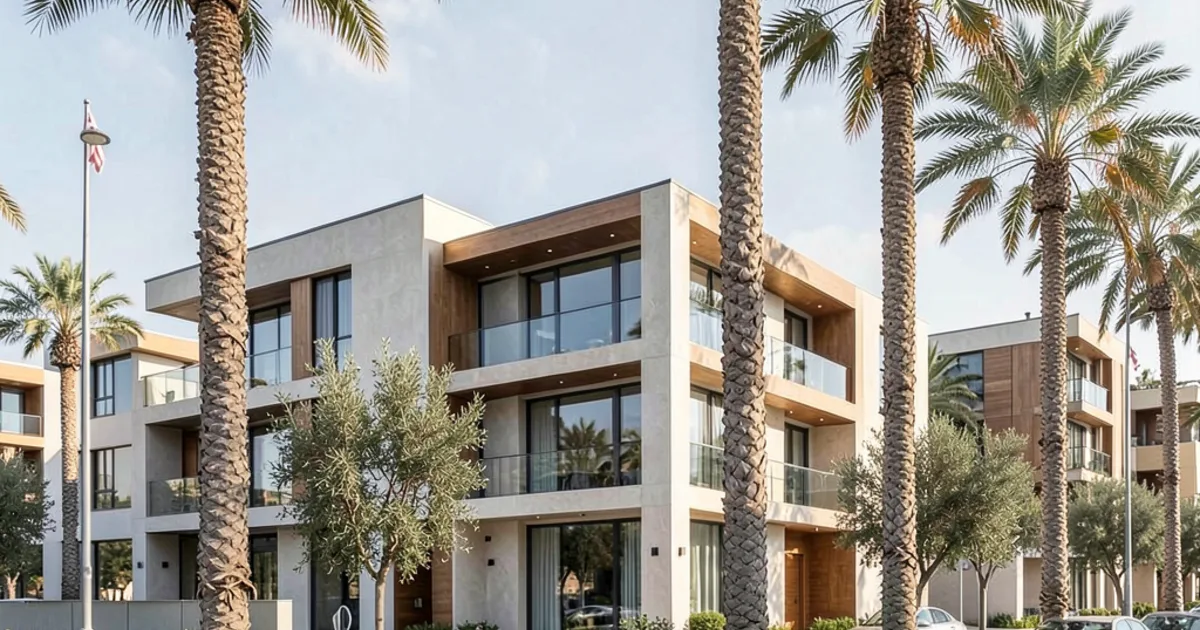
For many Americans, the coastal allure of Netanya represents the ultimate destination for a peaceful and vibrant retirement. However, transitioning from the US financial system to the Israeli real estate market involves navigating a unique set of rules, terms, and legal frameworks. Understanding how to leverage your assets to secure a home, whether it be a luxury penthouse or a quiet villa, is the first step toward a successful relocation. This guide explores the specific financing avenues available to US citizens looking to invest in Netanya's diverse property market.
- Understanding the Financial Landscape for American Expatriates in Netanya
- The Role of Israeli Banks and the Mashkanta System
- Navigating Foreigner Status and Mortgage Eligibility
- Down Payment Requirements and Asset Liquidation Strategies
- Understanding Israeli Taxes: Mas Rekhisha and Mas Shevah
- The Importance of the Binding Memorandum and Legal Due Diligence
- Financing New Builds vs. Existing Properties in Netanya
- Ongoing Ownership Costs: Arnona, Maintenance, and Utilities
- Managing Cross-Border Financial Complexity (US-Israel)
- Planning for Long-Term Retirement Stability in Israel
Understanding the Financial Landscape for American Expatriates in Netanya
Netanya has long been a magnet for international buyers due to its Mediterranean coastline, high standard of living, and established expatriate communities. For Americans, the dream of owning a second home or a primary retirement residence often begins with an appreciation of the local lifestyle. However, the financial reality of purchasing property in Israel differs significantly from the American experience. You are not just moving money; you are entering a different regulatory and banking ecosystem that requires careful preparation.
The process of acquiring property in Netanya can vary wildly depending on the type of asset you are targeting. A high-rise apartment in a modern tower, a classic seaside penthouse, or a sprawling villa in a gated community each carries different financial implications. Each of these property types may require different levels of liquidity or different types of financing structures. It is crucial to approach the purchase with a clear understanding of how the Israeli market treats non-resident buyers versus local residents.
As an American citizen, you must also account for the dual responsibility of managing your US-based wealth while building an Israeli asset base. This involves more than just finding a good mortgage; it requires a holistic view of your global net worth. The goal is to create a financing strategy that provides stability in Israel without compromising your long-term financial security in the United States. Successful buyers often begin this process long before they step foot on a viewing in Netanya.
Ultimately, the complexity of the Israeli real estate market is balanced by its transparency and the strength of its legal protections. Once you understand the foundational elements of the system, the path to ownership becomes much clearer. By preparing for the specific nuances of the Israeli banking and legal sectors, you can turn the vision of a Netanya retirement into a tangible reality.
- Identify the specific property type (Apartment, Villa, or New Build).
- Assess the impact of being a non-resident on loan eligibility.
- Determine the necessary level of liquid capital for initial costs.
The Role of Israeli Banks and the Mashkanta System
The primary vehicle for property financing in Israel is the 'Mashkanta,' which is the Hebrew term for a mortgage. Unlike the relatively standardized mortgage products in the US, an Israeli Mashkanta is often a hybrid of several different interest rate components. This means a single loan might be split into several 'tracks,' each behaving differently in response to market changes. This structure allows for a degree of customization that can help manage risk, but it also requires a higher level of sophistication to manage.
One of the most common components in an Israeli mortgage is the 'Prime' rate, which is a floating rate that moves in tandem with the Bank of Israel's base rate. While this can offer lower costs during periods of economic stability, it also introduces the risk of rising monthly payments if interest rates climb. To mitigate this, many Americans choose to balance their Mashkanta with fixed-rate tracks. These fixed-rate segments provide a predictable repayment schedule, which is essential for those living on a fixed retirement income.
Another component often utilized is a track linked to a specific index, such as the Consumer Price Index (CPI). While this can help protect the bank's real value, it can also lead to an increase in the principal amount owed if inflation rises significantly. It is vital to consult with a local mortgage broker who can explain how these different tracks interact within a single loan. Understanding the interplay between these variables is the key to avoiding unexpected financial strain during your retirement years.
When approaching an Israeli bank, you should be prepared to demonstrate a stable financial history. While your US credit score is a testament to your reliability, Israeli banks will look closely at your ability to service the debt within the context of the Israeli economy. They will evaluate your income sources, your existing debt obligations in the US, and your overall liquidity. This dual-layered assessment is a standard part of the process for foreign nationals.
- Fixed-rate tracks for long-term predictability.
- Variable tracks (Prime) for potential cost savings during low-interest periods.
- Index-linked tracks that respond to inflation trends.
Navigating Foreigner Status and Mortgage Eligibility
A significant hurdle for many Americans is the distinction between being a resident and a non-resident in the eyes of Israeli lenders. Many major banks in Israel have specific policies regarding lending to individuals who do not have a permanent residence or local income within the country. If you intend to buy a retirement home in Netanya but maintain your primary financial ties in the US, you may find that your options for high-leverage financing are more limited.
Lenders often view non-residents as higher-risk borrowers due to the difficulty of legal recourse and the volatility of cross-border income. Because of this, you may be required to provide a significantly larger down payment than a local Israeli citizen would. While a local might secure a loan covering a large portion of the property value, an American buyer might need to cover a much larger percentage of the purchase price upfront in cash. This requirement is designed to reduce the bank's exposure to the loan.
To improve your eligibility, it is often helpful to establish a local presence before applying for a Mashkanta. This might include opening an Israeli bank account and, if possible, demonstrating some form of local income or significant liquid assets held within the Israeli banking system. While it is entirely possible to secure financing from abroad, the process is often more rigorous and time-consuming. Demonstrating transparency and providing comprehensive documentation of your US assets is essential.
It is also important to consider the role of specialized mortgage brokers who focus on the expatriate market. These professionals often have established relationships with banks that are more 'foreigner-friendly' and understand how to present US financial documentation to local underwriters. They can act as a bridge, helping to translate your American financial standing into a language that Israeli banks can readily accept and evaluate.
- Higher down payment requirements for non-residents.
- Necessity of demonstrating global asset strength.
- The advantage of utilizing specialized expatriate mortgage brokers.
Down Payment Requirements and Asset Liquidation Strategies
The down payment is perhaps the most critical component of your initial financing plan. In Netanya, where property values for seafront apartments and luxury villas can be substantial, the required cash outlay can be significant. Because lenders may offer lower loan-to-value (LTV) ratios to foreign buyers, you must ensure that you have sufficient liquid capital available to cover both the down payment and the associated closing costs.
Deciding how to fund this down payment involves complex decisions regarding asset liquidation in the United States. You might consider selling existing real estate, liquidating investment portfolios, or drawing from retirement accounts. Each of these actions carries its own set of tax implications in the US, such as capital gains taxes or early withdrawal penalties. It is imperative to coordinate with a US-based tax professional to ensure that your method of funding the Israeli property does not create an unintended tax burden at home.
Furthermore, you must account for the 'hidden' costs of the purchase that are not covered by the mortgage. These include legal fees, brokerage commissions, and various government taxes. A common mistake is to calculate the down payment based solely on the property price, forgetting that the actual cash required at closing will be higher. Planning for these additional expenses ensures that you are not caught short during the final stages of the transaction.
For those looking at new builds in Netanya, the down payment structure might be different. Some developers offer staggered payment plans that allow you to pay portions of the price at different stages of the construction process. This can be a strategic way to manage cash flow, but it also requires a disciplined approach to ensuring funds are available when the developer calls for them. Always review the specific payment schedule in the binding memorandum before committing.
- Planning for higher LTV requirements for non-residents.
- Coordinating US asset liquidation with tax professionals.
- Budgeting for closing costs beyond the property purchase price.
Understanding Israeli Taxes: Mas Rekhisha and Mas Shevah
In Israel, taxation on real estate is a central part of the transaction and can significantly impact your total investment. The first major tax you will encounter is 'Mas Rekhisha,' or purchase tax. This tax is paid by the buyer at the time of the transaction and is calculated based on the purchase price of the property. The tax is tiered, meaning that higher-priced properties are subject to higher effective rates. Understanding which tier your Netanya property falls into is essential for accurate budgeting.
There are certain exemptions and reduced rates available, particularly for those purchasing a primary residence. However, since many Americans are buying a second home or a retirement property while maintaining ties elsewhere, they may not qualify for the most favorable rates. It is vital to clarify your tax residency status early in the process, as this will determine whether you are taxed as a local resident or under the more stringent rules applied to non-residents.
The second major tax is 'Mas Shevah,' which is the capital gains tax. This tax is applied when you eventually sell the property and realize a profit. In Israel, the rules regarding the exemption of capital gains on a primary residence are quite specific. If the property is considered a second home or an investment property, you will likely be required to pay Mas Shevah on the appreciation of the property's value. This should be factored into your long-term retirement financial planning.
Navigating these taxes requires more than just basic knowledge; it requires professional guidance. A local tax attorney or a specialized accountant can help you understand how these taxes will affect your specific situation. They can also advise on whether certain structures of ownership might be more tax-efficient for your long-term goals. Failing to account for Mas Rekhisha and Mas Shevah can lead to significant surprises during the closing process or when you eventually exit the investment.
- Mas Rekhisha (Purchase Tax): Tiered rates based on price.
- Mas Shevah (Capital Gains Tax): Applied upon the eventual sale.
- The importance of determining tax residency status early.
The Importance of the Binding Memorandum and Legal Due Diligence
In the Israeli real estate market, the 'Binding Memorandum' is the foundational legal document that governs the entire transaction. This is much more than a simple sales agreement; it is a comprehensive contract that outlines all the terms, conditions, and obligations of both the buyer and the seller. For an American buyer, the memorandum is the primary tool for securing your rights and ensuring that the financing you have arranged is protected by the terms of the sale.
Legal due diligence is a non-negotiable step in the purchasing process. This involves verifying the property's status in the 'Tabu,' which is the official Israeli land registry. The Tabu provides the definitive record of ownership, liens, mortgages, and any other encumbrances on the property. You must ensure that the seller has the clear legal right to sell the property and that there are no undisclosed debts or legal disputes attached to the land or the building.
Your Israeli attorney plays a critical role in reviewing the binding memorandum. They will check for clauses that could be unfavorable, such as unrealistic timelines for closing, excessive penalties for delays, or inadequate guarantees regarding the property's condition. Especially when purchasing a new build or a penthouse in a developing area of Netanya, the memorandum must clearly define the developer's obligations regarding construction quality and delivery dates.
Once the memorandum is signed and the deposit is paid, the transaction enters a formal stage that is often overseen by the lawyers of both parties. This period is when the bank will finalize the Mashkanta and conduct its own legal review of the property. Having a robust, well-negotiated memorandum is the best way to ensure that the financing process proceeds without interruption and that your investment is legally sound from day one.
- Reviewing the Binding Memorandum for buyer protections.
- Verifying ownership and liens via the Tabu registry.
- Engaging an Israeli attorney to manage the legal lifecycle of the purchase.
Financing New Builds vs. Existing Properties in Netanya
Netanya offers a diverse range of real estate, from established neighborhoods with characterful older homes to cutting-edge new developments along the coast. The financing approach for these two categories differs significantly. When purchasing an existing property, the process is generally more straightforward: the property is valued, the mortgage is approved, and the funds are transferred upon closing. The risks are primarily related to the physical condition of the building and the accuracy of the Tabu records.
Financing a new build, however, introduces a different set of variables. Many new developments are sold 'off-plan,' meaning you are purchasing a property that has not yet been completed. This often involves a payment schedule that is tied to construction milestones. While this can be an attractive way to enter the market at a lower price point, it requires a high degree of trust in the developer and a clear understanding of the legal protections available if construction is delayed or fails to meet specifications.
For a new build, your lender will look closely at the developer's track record and the viability of the project. They may require additional documentation regarding the construction permits and the financial stability of the building company. If you are financing a penthouse in a new tower, the valuation process can also be more complex, as the lender must estimate the future value of a property that does not yet exist in its final form.
Existing properties, such as a classic villa or an older apartment, may offer more immediate stability but might require more capital for renovations. If you intend to modernize an older home in Netanya, you should consider whether your Mashkanta can be structured to include renovation funds. This can be a strategic way to increase the value of your property while spreading the cost over the life of the loan.
- Existing Properties: Predictable valuation and immediate occupancy.
- New Builds: Potential for lower entry prices but higher construction risk.
- Strategic consideration: Financing for renovations in older homes.
Ongoing Ownership Costs: Arnona, Maintenance, and Utilities
Securing the financing for your home is only the first step; managing the ongoing costs of ownership is equally important for a stable retirement. In Israel, every property owner is responsible for 'Arnona,' which is the municipal property tax. Arnona rates vary depending on the location within Netanya, the type of property (residential vs. commercial), and the size of the building. It is a recurring expense that must be factored into your monthly budget.
If you are purchasing an apartment in a modern tower or a luxury penthouse, you will also be subject to 'Vaad Bayit,' or building management fees. These fees cover the maintenance of common areas, security services, elevator upkeep, pool maintenance, and landscaping. In high-end Netanya developments, these costs can be substantial, as they reflect the premium amenities provided to residents. It is wise to ask for a detailed breakdown of these fees before you finalize your purchase.
Beyond these specific taxes and fees, you must also account for standard utility costs, including electricity, water, and gas. While these may seem like minor expenses, they add up over time and can fluctuate based on your usage and seasonal changes. For retirees, having a clear understanding of these 'hidden' costs is essential to ensuring that your lifestyle in Israel remains financially sustainable without depleting your savings.
A well-organized financial plan for your Netanya home should include a dedicated fund for these recurring expenses. This prevents the need to dip into your primary investment accounts to cover monthly bills. By treating these costs as a standard part of your cost-of-living analysis, you can enjoy the beauty of the Netanya coast with complete peace of mind.
- Arnona: Municipal property tax based on location and size.
- Vaad Bayit: Building management fees for amenities and security.
- Utility management: Budgeting for electricity, water, and gas.
Managing Cross-Border Financial Complexity (US-Israel)
Owning property in Israel while being a US citizen introduces a layer of cross-border complexity that requires diligent management. One of the most significant factors is currency volatility. Because your primary income or savings may be in US Dollars, but your mortgage payments and property costs will be in Israeli Shekels, you are exposed to the fluctuations of the USD/ILS exchange rate. A sudden shift in the exchange rate can increase the effective cost of your Mashkanta or your monthly living expenses.
Furthermore, you must remain compliant with US tax reporting requirements. The IRS requires US citizens to report their global assets and income, regardless of where they are located. This includes reporting foreign bank accounts through the FBAR (Report of Foreign Bank and Financial Accounts) and complying with FATCA (Foreign Account Tax Compliance Act) regulations. Failure to report these assets accurately can lead to severe penalties, making it essential to work with a tax professional who understands both jurisdictions.
Managing the transfer of large sums of money between the US and Israel also requires careful planning. Banks in both countries have strict anti-money laundering (AML) protocols and will require documentation to justify large international transfers. It is often best to work with established international banking institutions or specialized currency exchange services that can facilitate these transfers efficiently and at competitive rates, rather than relying on standard retail bank transfers.
Finally, consider the long-term implications for your estate planning. How will your Israeli property be handled in the event of your passing? US wills may not automatically be recognized or easily executed in the Israeli legal system. You should consult with legal experts in both countries to ensure that your assets are structured in a way that provides for your heirs and minimizes legal complications across borders.
- Managing USD/ILS currency exchange risk.
- Compliance with US tax reporting (FBAR and FATCA).
- Coordinating international estate planning and asset transfers.
Planning for Long-Term Retirement Stability in Israel
The ultimate goal of purchasing a home in Netanya is to enjoy a high quality of life in a beautiful setting. To ensure this stability, your financing strategy must be integrated into a broader retirement plan. This means looking beyond the purchase price and the mortgage to consider how your total wealth will support you throughout your years in Israel. A successful transition involves balancing your desire for a premium lifestyle with the need for long-term financial resilience.
Integration into the local culture can also have financial benefits. For example, learning Hebrew through an 'Ulpan' (intensive language school) can help you navigate local services, understand contracts more clearly, and potentially access different types of local financial products or community-based resources. While language learning is a social endeavor, it is also a practical tool for managing your life and your assets more effectively in Israel.
As you age, your financial needs may shift. You might require more specialized medical care or wish to move from a large villa to a more accessible, serviced apartment. When choosing your initial property in Netanya, consider its long-term suitability for your evolving needs. A property that is easy to maintain and offers proximity to healthcare and amenities will provide much more value over a twenty-year horizon than a property that requires constant upkeep.
In conclusion, while the financing of a retirement home in Netanya presents unique challenges for Americans, it is a manageable process with the right expertise. By understanding the Mashkanta system, preparing for tax and legal requirements, and managing the complexities of cross-border finance, you can build a secure foundation for your Israeli retirement. The reward is a beautiful home in one of Israel's most beloved coastal cities, providing the perfect backdrop for your next chapter.
- Integrating property ownership into a holistic retirement budget.
- Using language skills (Ulpan) to improve local financial navigation.
- Selecting properties with long-term accessibility and ease of maintenance.
FAQ
How can Americans use US-based assets to fund an Israeli mortgage?
You can liquidate US assets such as real estate or investment portfolios to provide the required down payment. However, it is vital to consult a US tax professional first to understand the capital gains implications of these sales.
Does being a non-resident affect the interest rates offered by Israeli banks?
Yes, non-residents are often viewed as higher-risk borrowers, which can lead to less favorable terms or higher required down payments. To mitigate this, many Americans work with specialized mortgage brokers who understand the expatriate market.
What is the difference between buying a new build and a resale home in Netanya regarding financing?
Resale homes offer more immediate stability and a clearer valuation process through the Tabu registry. New builds often involve staggered payment schedules tied to construction milestones, which requires careful cash flow management.
What are the primary tax considerations when purchasing a retirement property in Netanya?
The primary taxes are Mas Rekhisha (purchase tax) paid at the time of sale and Mas Shevah (capital gains tax) paid when you sell the property. The rates for Mas Rekhisha depend on the property's value and your residency status.
Get your personalised shortlist
Listings and up-to-date info, straight to your inbox, free, no obligation.
See homes for sale →