What are the pros and cons of investing in new build apartments in Beer Sheva for long-term rental income?
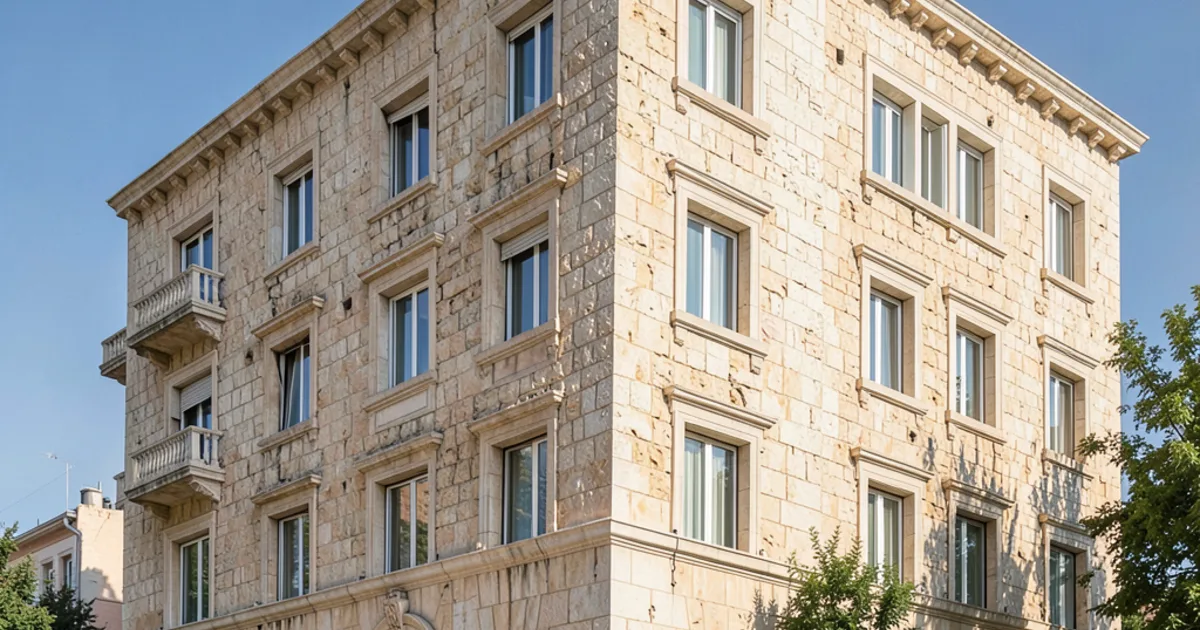
Investing in real estate in Israel, particularly in growing urban centers, presents a compelling opportunity for long-term rental income. Beer Sheva, often dubbed the 'Capital of the Negev,' is a city experiencing significant development and demographic shifts, making its new build apartment market a focal point for prospective investors. This comprehensive guide will meticulously dissect the pros and cons of acquiring new build apartments in Beer Sheva with a view to generating sustainable long-term rental returns, offering actionable insights rooted in local market dynamics and expert financial considerations.
- Why Consider Beer Sheva for Real Estate Investment?
- The Appeal of New Build Apartments for Investors
- Financial Benefits: Understanding Potential Returns and Tax Implications
- Navigating the Purchase Process for New Builds in Israel
- Potential Drawbacks: Market Saturation and Rental Income Volatility
- Construction Delays and Developer Risks
- Maintenance Costs and Property Management Challenges
- The Importance of Location Within Beer Sheva
- Financing Options: Israeli Mortgages (Mashkanta) for Investors
- Legal and Regulatory Framework: Protecting Your Investment
- Long-Term Outlook: Beer Sheva's Growth Trajectory
Why Consider Beer Sheva for Real Estate Investment?
Beer Sheva's strategic location and ongoing governmental investment initiatives position it as a city with substantial growth potential. It serves as a major hub for education, technology, and healthcare, attracting a diverse population of students, young professionals, and families. The relocation of key IDF technology units to the Negev has further fueled demand for quality housing, creating a robust rental market.
The city's urban planning emphasizes expansion and modernization, with numerous new residential projects underway designed to accommodate its growing population. This forward-looking approach ensures a steady supply of contemporary housing options, appealing to a wide range of tenants seeking modern amenities and efficient living spaces. These developments are often accompanied by improved infrastructure, including transportation links, commercial centers, and public services.
Furthermore, Beer Sheva offers a relatively more accessible entry point into the Israeli real estate market compared to the higher-priced central regions. This affordability, coupled with promising rental yields, makes it an attractive proposition for investors looking to maximize their long-term returns. The city's continuous evolution suggests a positive outlook for property value appreciation over time.
The Appeal of New Build Apartments for Investors
New build apartments offer several inherent advantages for investors, primarily stemming from their modern construction and contemporary design. These properties typically feature up-to-date building codes, energy-efficient systems, and modern finishes, which are highly appealing to prospective tenants. This often translates into quicker occupancy rates and potentially higher rental premiums compared to older properties requiring significant renovations.
From a maintenance perspective, new builds generally require less immediate upkeep and fewer unexpected repairs in the initial years. This reduces ongoing operational costs and minimizes interruptions to rental income, providing a more predictable financial outlook for the investor. The warranties provided by developers can also offer peace of mind against structural defects or major system failures.
Moreover, purchasing a new build often means acquiring a property in a developing neighborhood with new infrastructure, parks, and community facilities. These amenities enhance the overall desirability of the area, attracting stable, long-term tenants. The structured sales process with developers can also offer a clearer path to ownership, albeit with its own set of considerations.
Financial Benefits: Understanding Potential Returns and Tax Implications
Investing in new build apartments in Beer Sheva can offer competitive rental yields, particularly when compared to certain other Israeli cities. The combination of relatively lower acquisition costs and a strong demand for modern housing can lead to attractive cash flow. Investors should carefully analyze projected rental income against all associated costs to determine the true yield.
On the taxation front, understanding Israeli real estate taxes is crucial. When purchasing, investors face 'Mas Rekhisha' (purchase tax), which can be a significant upfront cost, varying based on the buyer's residency status and whether it's their sole property. For long-term rentals, rental income is generally subject to income tax, though specific exemptions or reduced rates may apply depending on the income level and other factors.
Upon eventual sale, 'Mas Shevah' (capital gains tax) will be applicable on the profit generated from the property's appreciation. However, various deductions and exemptions can influence the final tax liability, making it vital to consult with a qualified Israeli tax advisor. The long-term nature of the investment allows for potential leveraging of inflation and property value growth to offset some of these tax burdens over time, provided the market performs favorably.
Navigating the Purchase Process for New Builds in Israel
The acquisition of a new build apartment in Israel typically begins with a developer's sales agreement, often preceded by a 'binding memorandum' (Zichron Devarim) outlining key terms. It is paramount to engage an experienced Israeli real estate lawyer from the outset to review all contracts, ensuring your interests are protected and all legal aspects are thoroughly vetted. This includes verifying the developer's permits, land registration details, and payment schedules.
Payment for new builds usually follows a structured schedule, often linked to construction milestones, with initial payments and subsequent installments. Investors should be prepared for these staged payments and ensure their financing, whether through a 'Mashkanta' (mortgage) or other means, aligns with the developer's timeline. Mortgage approvals often require extensive documentation and can take several weeks.
The property's registration in the 'Tabu' (Israel Land Registry) is the final step in establishing full legal ownership. For new builds, this process can sometimes be protracted as it depends on the completion of the entire project and the formal division of the building into individual units. Your legal counsel will guide you through this complex process, ensuring proper registration of your rights.
- Engage an Israeli real estate lawyer early in the process.
- Understand the structured payment schedule tied to construction progress.
- Secure 'Mashkanta' (mortgage) financing well in advance.
- Verify developer permits and 'Tabu' registration details.
- Anticipate a potentially lengthy 'Tabu' registration period for new projects.
Potential Drawbacks: Market Saturation and Rental Income Volatility
While Beer Sheva's growth is promising, a surge in new construction could, in the short to medium term, lead to concerns about market saturation. If the supply of new apartments outpaces demand, it could exert downward pressure on rental prices and potentially extend vacancy periods. This risk is particularly relevant in areas with a high concentration of new developments.
Rental income, even in a growing market, is not entirely immune to volatility. Economic downturns, changes in employment rates, or shifts in student enrollment at local universities could impact tenant demand and, consequently, rental rates. Investors must factor in potential periods of lower income or increased tenant turnover when calculating their investment's long-term viability.
Furthermore, competition for tenants from other new build projects in the vicinity could necessitate offering incentives or reducing rental prices to maintain occupancy. This competitive landscape requires investors to stay informed about local market trends and be prepared to adapt their rental strategies to remain attractive to prospective renters.
Construction Delays and Developer Risks
A significant risk associated with new build investments is the potential for construction delays. While developers provide estimated completion dates, various factors such as unforeseen logistical challenges, regulatory hurdles, labor shortages, or material supply chain issues can push back occupancy dates. These delays can impact an investor's cash flow projections, especially if they are relying on rental income to cover mortgage payments.
The financial stability and reputation of the developer are critical considerations. While Israeli law offers some protections for buyers of new homes, instances of developer insolvency, project abandonment, or significant quality issues, though rare, can occur. Thorough due diligence on the developer's track record, financial standing, and previous projects is essential to mitigate this risk.
It's also important to be aware of potential changes to the original plans or specifications during the construction phase. While major changes usually require buyer consent, minor alterations could occur. Having a clear understanding of the contract's clauses regarding changes and warranties can help protect your investment against unexpected deviations from the initial agreement.
Maintenance Costs and Property Management Challenges
While new builds generally have lower initial maintenance costs, investors must still budget for ongoing expenses. This includes regular building maintenance fees (Va'ad Bayit), which cover common areas, elevators, and general upkeep of the building. These fees can vary significantly and should be factored into the overall cost of ownership.
Over time, even new apartments will require maintenance, such as appliance repairs, painting, or minor plumbing issues. While developer warranties cover some aspects, other wear and tear items will be the owner's responsibility. Setting aside a contingency fund for such eventualities is a prudent financial practice for any landlord.
Managing a rental property from a distance, especially for overseas investors, can present its own set of challenges. Engaging a reputable local property management company in Beer Sheva can alleviate the burden of tenant screening, rent collection, maintenance coordination, and adherence to local landlord-tenant laws. However, this comes with an additional cost that impacts net rental income.
The Importance of Location Within Beer Sheva
Even within Beer Sheva, location remains a paramount factor influencing rental demand and property value appreciation. Proximity to Ben-Gurion University of the Negev, Soroka Medical Center, major transportation arteries, and developing high-tech parks significantly enhances a property's appeal to a broad tenant base. Areas with good public transport links and access to essential services are consistently more desirable.
New build projects are emerging in various neighborhoods, some of which are undergoing significant regeneration, while others are established residential zones. Understanding the specific demographics and future development plans for the immediate vicinity of your chosen property is crucial. A property located near future commercial centers or planned public amenities will likely command higher rents and experience greater value growth.
Conversely, properties in less developed or more isolated areas, even if new, might struggle to attract tenants or achieve optimal rental rates. Researching local zoning laws, municipality plans, and community infrastructure projects can provide valuable insights into the long-term prospects of a specific location within Beer Sheva, ensuring your investment is strategically placed.
Financing Options: Israeli Mortgages (Mashkanta) for Investors
For many investors, securing a 'Mashkanta' (mortgage) from an Israeli bank is a crucial step in financing a new build apartment. Israeli mortgages offer various tracks, including fixed-rate, variable-rate, and prime-linked options, each with different risk profiles and repayment structures. Non-residents may face different eligibility criteria and loan-to-value limits compared to Israeli citizens.
The mortgage application process in Israel is thorough and requires extensive documentation, including proof of income, financial statements, and sometimes a property appraisal. It's advisable to engage a mortgage broker ('Yoetz Mashkantot') who specializes in the Israeli market, especially for foreign investors, as they can navigate the complexities and help secure favorable terms.
Interest rates and terms for investment properties can differ from those for primary residences. Investors should carefully compare offers from multiple banks and understand the long-term implications of their chosen mortgage structure, including any early repayment penalties or indexation to the Israeli Consumer Price Index (CPI), which can affect monthly payments.
Legal and Regulatory Framework: Protecting Your Investment
Israel has a robust legal framework governing real estate transactions, designed to protect buyers. Key among these is the 'Hok Hamichira' (Sales Law), which mandates developers to provide financial guarantees for funds paid by buyers before the property is fully registered in the Tabu. These guarantees, often in the form of a bank guarantee ('Arvut Bankait'), protect your investment in case of developer insolvency.
Engaging an experienced Israeli real estate lawyer is not merely advisable but essential. They will conduct comprehensive due diligence, checking the property's legal status, zoning compliance, and ensuring the developer has all necessary permits. They will also meticulously review the purchase agreement, highlighting any clauses that could be disadvantageous to the buyer and negotiating on your behalf.
Understanding the 'Tabu' (Israel Land Registry) system is fundamental. Your lawyer will ensure that the property's rights are properly recorded, reflecting your ownership. For new builds, this can involve registering a 'He'arat Azhara' (cautionary note) to protect your interest during the construction phase, prior to final Tabu registration of the individual unit. Navigating these legal intricacies without expert guidance is highly risky.
Long-Term Outlook: Beer Sheva's Growth Trajectory
Beer Sheva's long-term growth trajectory is underpinned by significant government investment in infrastructure, education, and technology. The city is a cornerstone of the 'Digital Negev' initiative, aiming to transform it into a global cybersecurity hub, attracting high-tech companies and skilled professionals. This strategic vision promises sustained population growth and increased demand for quality housing.
The expansion of Ben-Gurion University and the development of new medical facilities further solidify Beer Sheva's role as a regional center for academia and healthcare. These institutions act as economic anchors, drawing students, faculty, and medical staff, many of whom require rental accommodation. This diverse tenant pool contributes to a stable rental market over the long term.
While market fluctuations are inherent in any investment, Beer Sheva's foundational growth drivers suggest a positive outlook for property appreciation over extended periods. The ongoing urban renewal projects, coupled with strategic national investments, position the city for continued development, making new build apartments a potentially rewarding long-term rental investment for discerning investors.
FAQ
What is 'Mas Rekhisha' and how does it affect new build apartment purchases in Beer Sheva?
'Mas Rekhisha' is Israel's purchase tax, levied on real estate transactions. Its rate varies based on whether the buyer is a resident or non-resident, and if the property is their sole dwelling, directly impacting the upfront cost of a new build apartment.
How does 'Tabu' registration work for new build apartments in Israel?
'Tabu' is the Israel Land Registry, confirming legal ownership. For new builds, initial registration might be a 'He'arat Azhara' (cautionary note) on the developer's plot, with final individual unit registration occurring after project completion and formal subdivision, which can take time.
Should I use a property management company for my Beer Sheva rental investment?
For long-term rental investments, especially for overseas owners, a local property management company in Beer Sheva is highly recommended. They handle tenant screening, rent collection, maintenance, and ensure compliance with local landlord-tenant laws, saving you time and potential headaches.
What are the typical payment stages for a new build apartment from a developer in Israel?
Payments for new build apartments usually follow a structured schedule, with an initial deposit followed by installments tied to construction milestones, such as completion of the building's shell, interior finishing, and final handover. A bank guarantee ('Arvut Bankait') protects these payments.
Get your personalised shortlist
Listings and up-to-date info, straight to your inbox, free, no obligation.
See homes for sale →