What are the pros and cons of buying an off-plan (new build) villa in Caesarea versus a comparable resale property for investment?
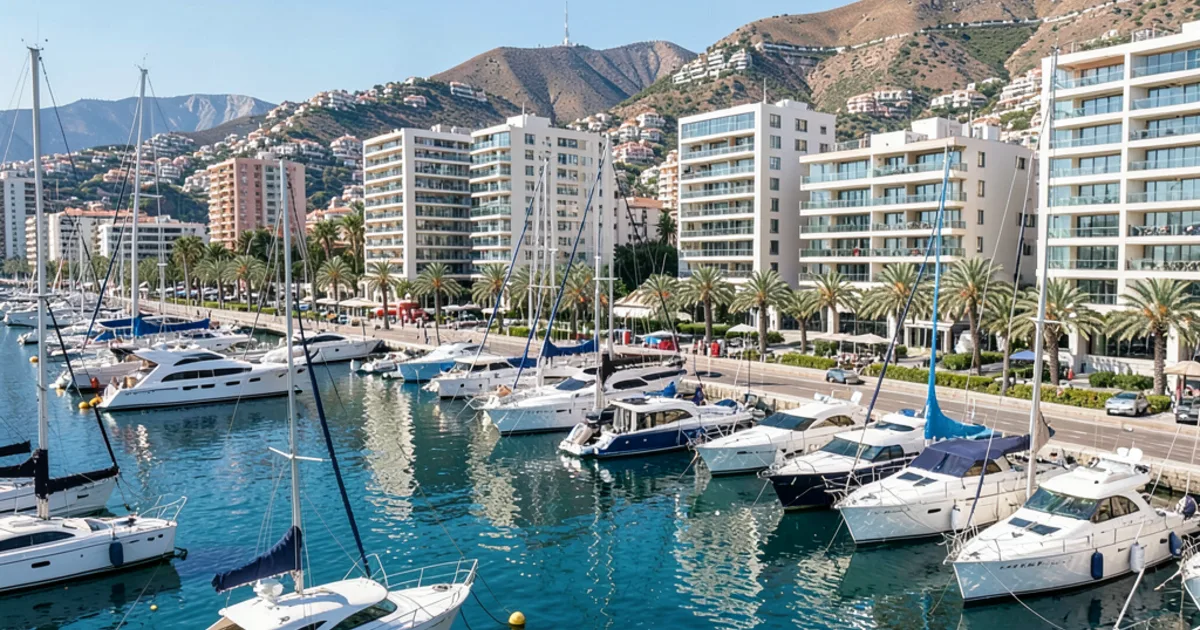
Caesarea, with its stunning coastline, ancient history, and exclusive ambiance, stands as one of Israel's most sought-after locations for luxury real estate. For discerning investors, the question often boils down to a fundamental choice: a brand-new, off-plan villa or a beautifully maintained resale property. Each option presents a distinct set of advantages and disadvantages, particularly when viewed through the lens of long-term investment. This comprehensive guide from HousesIsrael will meticulously compare these two pathways, offering actionable insights tailored to the Israeli market and helping you make an informed decision for your Caesarea investment.
Quick answer: Buying an off-plan villa in Caesarea typically offers the potential for capital appreciation from the construction phase and modern specifications, but comes with higher risks regarding delays and final costs. Resale properties allow for immediate income generation and tangible inspection, yet often lack the premium growth margin of new developments.
- Understanding the Caesarea Real Estate Market Investment Landscape
- Initial Acquisition Costs: Beyond the Sticker Price
- Timeline to Occupancy and Rental Income Potential
- Capital Appreciation: Long-Term Value Growth
- Maintenance, Repairs, and Ongoing Costs
- Customization, Design, and Modernity
- Legal and Regulatory Considerations in Israel
- Financing Options: Mashkanta (Mortgage) Considerations
- Risk Assessment: What Could Go Wrong?
- Exit Strategy and Liquidity Considerations
- HousesIsrael's Expert Recommendation: Tailoring to Your Investment Goals
Understanding the Caesarea Real Estate Market Investment Landscape
Caesarea's real estate market is characterized by its high demand, limited supply of prime land, and a consistently affluent buyer pool. This creates a unique environment where property values tend to be resilient, even during broader economic fluctuations, making it an attractive destination for capital preservation and growth. The blend of historical significance, modern amenities, and strict building regulations contributes to the exclusivity and perceived value of properties within this prestigious community.
Investors in Caesarea often target properties for a mix of reasons, including potential for significant capital appreciation, strong rental yields from holidaymakers or long-term expatriates, and as a prestigious second home. The choice between a new build and a resale villa can significantly impact these investment objectives, dictating upfront costs, ongoing expenses, and the timeline for realizing returns. Understanding the nuances of each option is critical for optimizing your investment strategy in this unique Israeli locale.
The market's stability is underpinned by a consistent influx of both local and international buyers, drawn to Caesarea's lifestyle and strategic location between Tel Aviv and Haifa. This sustained interest, coupled with the inherent scarcity of developable land within the Caesarea National Park and its immediate surroundings, helps to maintain property values. However, even within such a robust market, the specific characteristics of a new build versus a resale can lead to vastly different investment outcomes.
Initial Acquisition Costs: Beyond the Sticker Price
When considering a new build villa in Caesarea, the initial acquisition cost typically involves the purchase price from the developer, often paid in installments tied to construction milestones. While the headline price might seem attractive, it's crucial to factor in additional costs such as developer's fees, legal fees, and potential upgrades that might not be included in the basic package. These can add a substantial percentage to the overall investment, often catching unprepared buyers by surprise.
For resale villas, the initial cost is generally the agreed-upon purchase price with the seller. However, this is also subject to various ancillary expenses. These include real estate agent commissions (typically a percentage of the sale price, often paid by both buyer and seller in Israel), legal fees for lawyers representing both parties, and potentially a surveyor's fee if a detailed property inspection is desired. It's essential to budget for these additional costs from the outset to avoid financial strain.
A critical consideration for both new builds and resales in Israel is the 'Mas Rekhisha' (purchase tax). This progressive tax is levied on the buyer and can be a significant expense, particularly for higher-value properties like villas in Caesarea. The exact percentage depends on whether it's your sole residence or an investment property, and specific thresholds apply. It's imperative to consult with an Israeli tax expert to understand your exact liability before committing to any purchase, as this can dramatically alter the total investment outlay.
- New Build: Developer fees, legal fees, potential upgrade costs, Mas Rekhisha.
- Resale: Agent commissions, legal fees, surveyor fees, Mas Rekhisha.
Timeline to Occupancy and Rental Income Potential
Investing in an off-plan (new build) villa means committing to a construction timeline, which can range from one to several years. During this period, your capital is tied up without generating any rental income. While developers provide estimated completion dates, delays due to unforeseen circumstances, regulatory issues, or material shortages are not uncommon in the construction industry. This extended wait time means a deferred return on investment and requires careful financial planning to cover any interim costs.
Conversely, a resale villa offers immediate occupancy upon completion of the purchase process, which typically spans a few months. This allows investors to quickly move in, furnish the property, and begin generating rental income or personal use almost immediately. The ability to generate income sooner can significantly improve the investment's cash flow and overall return, making it an attractive option for those seeking a quicker path to revenue generation.
The impact on rental income potential is a key differentiator. With a new build, you're speculating on future rental demand and market rates, whereas a resale allows you to assess current rental market conditions and potentially acquire a property with an existing rental history. For investors prioritizing immediate cash flow, the resale option often presents a more predictable and faster route to achieving their financial objectives in the Caesarea rental market.
Capital Appreciation: Long-Term Value Growth
New build villas often present the potential for 'developer premium' appreciation. Buying off-plan typically allows you to secure a property at an earlier, potentially lower price point before the development is fully established and its desirability fully realized. As construction progresses and the community matures, the value of your property can appreciate significantly, sometimes even before completion. This 'pre-launch' advantage can be a powerful driver of capital gains.
Resale villas, while not offering the initial developer premium, benefit from established value. Their appreciation tends to be more aligned with the general market trends in Caesarea, which historically have been robust. Investors in resale properties rely on sustained demand for prime locations, improvements to the property, or broader economic growth to drive capital appreciation. The risk of significant value fluctuations can be perceived as lower, as the property's value is already established within the market.
Ultimately, both options offer potential for capital appreciation in Caesarea's desirable market. New builds might offer a steeper initial growth curve if purchased at the right stage, while resales offer a more predictable, albeit potentially slower, appreciation trajectory. The key for both is the inherent desirability of Caesarea itself, coupled with the specific features and location of the individual villa. Thorough market research and understanding local development plans are crucial for anticipating future value trends.
Maintenance, Repairs, and Ongoing Costs
One of the most significant advantages of a new build villa is the lack of immediate maintenance and repair concerns. These properties come with builder warranties, covering structural defects and often major appliances for a specified period. This translates into significantly lower unexpected expenses in the initial years, allowing investors to budget more predictably without the immediate worry of costly repairs to plumbing, electrical systems, or roofing.
Resale villas, by their nature, will likely require more immediate attention to maintenance and potential repairs. Even a well-maintained property will have components that are nearing the end of their lifespan, such as air conditioning units, water heaters, or even the roof. A comprehensive pre-purchase inspection is paramount to identify these potential costs, allowing you to factor them into your overall investment budget and potentially negotiate the purchase price accordingly. Ignoring these can lead to substantial unplanned expenditures.
Beyond repairs, ongoing costs like 'Arnona' (municipal property tax), utility bills, garden maintenance, and insurance apply to both property types. However, new builds might benefit from more energy-efficient designs and appliances, potentially leading to lower utility bills in the long run. Resales may require upgrades to insulation or older systems to achieve similar efficiency, adding to the ongoing operational costs. This difference in operational efficiency can subtly impact the net rental yield over time.
Customization, Design, and Modernity
Opting for a new build villa in Caesarea provides unparalleled opportunities for customization. Depending on the stage of construction, buyers can often choose finishes, fixtures, layouts, and even make structural modifications to perfectly align the property with their aesthetic preferences or specific investment goals. This allows for the creation of a truly bespoke home, potentially enhancing its appeal to future tenants or buyers who value contemporary design and personalized touches.
Resale villas, while offering immediate character and established landscaping, typically come 'as is.' While renovations are always an option, they involve additional time, expense, and potential disruption, which might not be desirable for an investor seeking a turn-key solution. The design and architecture of resale properties reflect the era in which they were built, which might appeal to some but could feel dated to others, potentially limiting their market appeal or requiring significant modernization investment.
From an investment perspective, modern design and smart home technologies in new builds can command a premium in the rental and sales markets. Properties equipped with the latest energy-efficient systems, contemporary kitchens, and integrated smart features are often more attractive to affluent tenants and buyers in Caesarea. While a resale can be updated, the cost and effort involved in bringing it to a similar standard can be substantial, impacting the overall return on investment.
Legal and Regulatory Considerations in Israel
The legal framework for new builds in Israel is governed by the Sale Law (Apartments) and offers significant protections for buyers. This includes requirements for developers to provide financial guarantees (such as bank guarantees or insurance policies) to safeguard buyers' payments against developer insolvency. The 'binding memorandum' (Zichron Devarim) is an initial, non-binding agreement, followed by a detailed purchase agreement, both requiring careful legal review.
For resale properties, the legal process typically involves a 'Tabu' (Israel Land Registry) check to verify ownership, liens, and any restrictions on the property. The purchase agreement is then drafted, outlining all terms and conditions. While generally straightforward, ensuring clear title and understanding any existing encumbrances is paramount. Both new builds and resales require careful due diligence by an experienced Israeli real estate lawyer.
Regardless of the property type, investors must navigate 'Mas Shevah' (capital gains tax) implications upon eventual sale. This tax applies to the profit made from selling real estate and has specific exemptions and calculation methods. Understanding these tax implications from the outset, alongside 'Arnona' (municipal tax) and potential 'Mas Rekhisha' (purchase tax) adjustments, is crucial for accurate financial forecasting of your investment in Caesarea.
- New Build: Sale Law (Apartments) protections, financial guarantees, binding memorandum, detailed purchase agreement.
- Resale: Tabu (Land Registry) check, clear title verification, specific purchase agreement.
- Both: Mas Rekhisha (purchase tax), Mas Shevah (capital gains tax), Arnona (municipal property tax).
Financing Options: Mashkanta (Mortgage) Considerations
Securing a 'Mashkanta' (mortgage) for a new build villa often involves a different structure compared to a resale. Lenders typically disburse funds in stages, aligning with the construction progress and the developer's payment schedule. This means you might not receive the full mortgage amount upfront, and your interest payments will gradually increase as more funds are drawn down. It's essential to have a clear understanding with your bank regarding the disbursement schedule and associated costs.
For a resale villa, the Mashkanta process is generally more straightforward. Once the loan is approved and all conditions are met, the full mortgage amount is typically disbursed to the seller at the time of closing. This allows for a more predictable financial transaction from the buyer's perspective, without the complexities of staged payments and fluctuating interest accruals during a construction period.
Regardless of the property type, obtaining a mortgage in Israel, especially for a foreign investor, requires navigating specific requirements. This often includes demonstrating financial stability, providing extensive documentation, and potentially needing a guarantor. It's advisable to consult with a mortgage broker specializing in the Israeli market to explore the best 'mashkanta' options and ensure a smooth financing process for your Caesarea investment.
Risk Assessment: What Could Go Wrong?
New build investments carry inherent risks, primarily related to construction delays, developer insolvency, or deviations from the agreed-upon specifications. While Israeli law offers some protection, significant delays can impact rental income projections and cause financial strain. The final quality of construction might also differ from initial expectations, requiring post-completion remediation. There's also the risk that the promised amenities or infrastructure of the new development might not materialize as quickly or as grandly as initially marketed.
Resale properties, while offering immediate tangible assets, also come with their own set of risks. Hidden defects not uncovered during a pre-purchase inspection can lead to costly repairs down the line. Market value fluctuations, while generally less volatile in Caesarea, can still impact capital appreciation. Additionally, issues with neighbors, community rules, or unresolved legal disputes from previous owners can sometimes emerge post-purchase, though thorough legal due diligence aims to mitigate these.
From an investment perspective, both options require a robust risk assessment. For new builds, the risks are often future-oriented and speculative, whereas for resales, they are more about uncovering existing or historical issues. Diversifying your investment portfolio and seeking expert advice from real estate professionals, lawyers, and financial advisors are crucial steps to mitigate potential pitfalls in either scenario for your Caesarea villa investment.
Exit Strategy and Liquidity Considerations
When planning an investment, considering the exit strategy is as important as the entry. For new build villas, selling before completion can be challenging, often requiring developer consent and potentially incurring penalties. Once completed, the property's 'newness' can be a strong selling point, appealing to buyers who desire a contemporary, turn-key solution. However, if multiple similar new builds are on the market simultaneously, it could create competition and impact pricing.
Resale villas in Caesarea, being part of an established market, generally offer more predictable liquidity. There is a consistent demand for well-located and well-maintained properties, and the sales process is typically more streamlined than for a property still under construction. The unique character, mature landscaping, and proven track record of a resale property can often attract buyers looking for an immediate move-in option without the uncertainties of a new development.
The 'Mas Shevah' (capital gains tax) implications also play a significant role in the exit strategy. Understanding how this tax is calculated and any potential exemptions or deferrals can significantly impact your net profit upon sale. Both new build and resale properties are subject to this tax, but the holding period and initial acquisition costs will affect the final calculation. Consulting with a tax advisor early on is crucial for optimizing your eventual sale.
HousesIsrael's Expert Recommendation: Tailoring to Your Investment Goals
At HousesIsrael, we understand that there's no one-size-fits-all answer to the new build vs. resale dilemma in Caesarea. Your optimal choice hinges entirely on your specific investment goals, risk tolerance, and financial timeline. If you prioritize customization, minimal initial maintenance, and are comfortable with a longer waiting period for potential 'developer premium' appreciation, a new build might be an ideal fit. This path suits those looking to create a bespoke luxury residence or a truly unique rental offering.
Conversely, if immediate occupancy, faster rental income generation, and a more predictable acquisition process are paramount, a resale villa in Caesarea could be the superior option. This choice is often preferred by investors seeking quicker cash flow, established property values, and a clearer understanding of ongoing costs. Resales also appeal to those who appreciate the charm and character of an existing home with mature gardens and a settled neighborhood feel.
Our team at HousesIsrael specializes in navigating the intricacies of the Caesarea market. We advise prospective investors to conduct thorough due diligence, engage experienced Israeli real estate lawyers and tax advisors, and obtain independent property inspections for resale properties. We are here to guide you through every step, from identifying suitable properties to understanding the nuances of 'Tabu' registration and 'Mashkanta' financing, ensuring your investment in Caesarea is both sound and successful.
FAQ
What is 'Mas Rekhisha' and how does it apply to Caesarea villas?
'Mas Rekhisha' is Israel's purchase tax, levied on the buyer. Its percentage depends on the property's value and whether it's your sole residence or an investment, with higher rates for investment properties. It's a significant upfront cost for any villa purchase in Caesarea.
Can foreign investors get a 'Mashkanta' (mortgage) for a Caesarea villa?
Yes, foreign investors can obtain a 'Mashkanta' in Israel, though the process might involve stricter requirements and higher equity contributions than for Israeli citizens. It's advisable to work with a mortgage broker specializing in non-resident financing.
What is the 'Tabu' and why is it important for a resale villa?
The 'Tabu' is Israel's official Land Registry. For a resale villa, checking the 'Tabu' is crucial to verify legal ownership, confirm the property's boundaries, and identify any liens, mortgages, or other encumbrances that might affect the title. It ensures a clear and rightful transfer of ownership.
What are the main tax implications when selling an investment villa in Caesarea?
When selling an investment villa in Israel, you will likely be subject to 'Mas Shevah' (capital gains tax) on the profit. There are specific calculation methods, exemptions, and potential deferrals depending on various factors, so consulting a tax advisor is essential before sale.
Get your personalised shortlist
Listings and up-to-date info, straight to your inbox, free, no obligation.
See homes for sale →