What are the advantages of renting a furnished apartment long-term in Rehavia, Jerusalem, for a relocating professional?
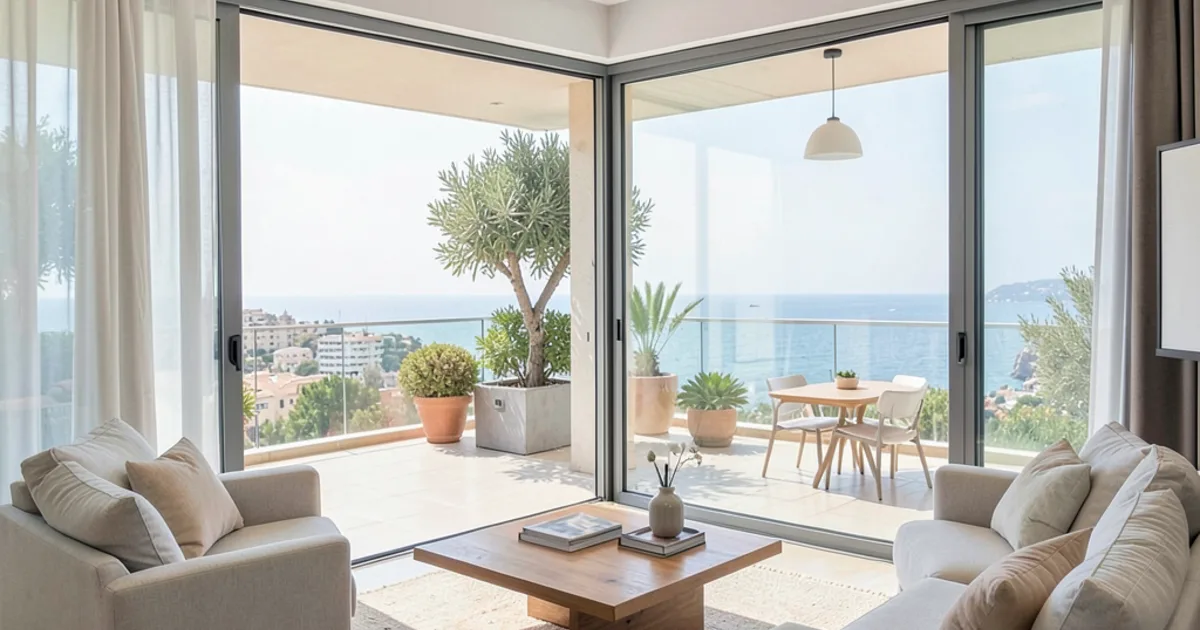
Relocating to a new country involves a complex web of logistical, financial, and emotional challenges. For the high-level professional moving to Jerusalem, the goal is often to minimize friction and maximize productivity from day one. Choosing a furnished long-term rental in Rehavia offers a sophisticated solution that balances luxury, convenience, and strategic location. This guide explores why this specific housing model is the premier choice for those establishing a professional foothold in Israel.
- The Strategic Value of Rehavia for Relocating Professionals
- Streamlining the Relocation Process: The Power of Turnkey Living
- Understanding the Financial Landscape of Jerusalem Rentals
- Navigating the Legalities: Leases and Israeli Rental Laws
- Managing Household Utilities and Local Taxes (Arnona)
- The Lifestyle Benefits of the Rehavia Neighborhood
- Comparing Furnished vs. Unfurnished: A Professional’s Analysis
- Essential Documentation for Renting in Israel
- Integrating into the Local Community and Language
- Finding the Right Property Type: From Penthouses to Classic Villas
- Avoiding Common Pitfalls in the Jerusalem Rental Market
- Long-Term Stability vs. Flexibility in Rehavia
The Strategic Value of Rehavia for Relocating Professionals
Rehavia stands as one of Jerusalem's most prestigious and sought-after residential neighborhoods, characterized by its historic charm and central location. For a professional, the neighborhood offers an unparalleled sense of stability and prestige that mirrors their career trajectory. The area is renowned for its quiet, tree-lined streets and high-end residential architecture, providing a serene environment that is essential for high-performance individuals.
Beyond its aesthetic appeal, Rehavia is a hub of intellectual and diplomatic activity. Its proximity to major academic institutions, government offices, and various international embassies makes it a logical base for those working in law, academia, or international relations. Being able to walk or take a short drive to key professional hubs significantly reduces the daily stress of commuting in a busy city like Jerusalem.
The neighborhood also offers a unique blend of urban accessibility and residential tranquility. While you are minutes away from the bustling center of the city, Rehavia maintains a dignified atmosphere that feels worlds away from the chaos of more commercial districts. This balance is crucial for professionals who need a quiet space to recharge after a demanding day of work or high-stakes meetings.
- Proximity to major diplomatic missions and embassies
- Walking distance to premium cafes and professional networking hubs
- High-density area for intellectuals, academics, and diplomats
Streamlining the Relocation Process: The Power of Turnkey Living
The logistics of international relocation can be overwhelming, involving everything from shipping containers to the assembly of complex furniture. For a professional whose time is their most valuable asset, the 'turnkey' nature of a furnished apartment is a significant advantage. Instead of spending weeks or months sourcing, buying, and arranging household items, a furnished rental allows for an immediate move-in.
Furnished apartments eliminate the 'decision fatigue' that often accompanies a move. When you arrive in Jerusalem, your primary focus should be on your new role and integrating into the local professional landscape, not on whether your sofa fits the dimensions of a historic stone living room. A professionally furnished unit provides a curated environment that is ready for immediate use, allowing for a seamless transition.
This efficiency also extends to the reduction of upfront capital expenditure. Buying a full suite of high-quality furniture for a new home requires a substantial initial investment. By opting for a long-term furnished rental, you effectively convert these large, one-time costs into a predictable monthly rental expense, which is much easier to manage within a relocation budget.
Understanding the Financial Landscape of Jerusalem Rentals
Navigating the Israeli real estate market requires an understanding of the distinction between renting and owning. While homeowners must deal with the complexities of Mas Rekhisha (purchase tax) and the long-term commitment of a Mashkanta (mortgage), renters enjoy much higher liquidity. For professionals who may not be certain of their long-term residency status, renting provides a hedge against the volatility of the property market.
In a furnished rental agreement, the monthly cost is typically higher than an unfurnished one, but this premium covers the depreciation and maintenance of the furniture and appliances. When you consider the time-cost of sourcing furniture and the logistical expenses of moving it, the price difference often becomes negligible. It is a strategic trade-off: paying a premium for convenience and time-saving.
It is also important to consider the tax implications of your stay. Unlike homeowners who must manage Mas Shevah (capital gains tax) upon the sale of a property, renters do not face these complexities. This makes the rental model particularly attractive for expatriates or professionals on fixed-term international assignments who wish to avoid the heavy administrative burden of Israeli property ownership.
- Avoidance of high upfront Mas Rekhisha (purchase tax)
- No need for long-term Mashkanta (mortgage) commitments
- Predictable monthly expenses versus variable furniture costs
Navigating the Legalities: Leases and Israeli Rental Laws
Every professional move must be anchored in a solid legal framework. In Israel, the rental agreement, often referred to as the binding memorandum or lease, is the most critical document. It is essential to ensure that the contract clearly outlines the duration of the stay, the rent amount, and the specific terms regarding the furniture provided. A well-drafted lease protects both the tenant and the landlord from future disputes.
When entering a long-term lease, pay close attention to the clauses regarding maintenance and repairs. In a furnished apartment, the responsibility for the upkeep of provided items should be explicitly stated. You want to ensure that the landlord is responsible for the functionality of major appliances and structural elements, while you are responsible for day-to-day care, to avoid any ambiguity during the move-out process.
It is also wise to verify the landlord's authority over the property. While renters do not deal directly with the Tabu (land registry) as often as buyers do, ensuring the property is legally registered and that the person signing the lease has the right to do so is a fundamental step in due diligence. This prevents the risk of entering into an agreement with an unauthorized party.
Managing Household Utilities and Local Taxes (Arnona)
One of the most common surprises for newcomers to Israel is the Arnona, the municipal property tax. Unlike some countries where utilities are bundled differently, Arnona is a mandatory tax paid to the local municipality based on the size and location of the property. In a premium area like Rehavia, the Arnona rates reflect the high quality of municipal services provided to the neighborhood.
Beyond Arnona, you must also account for electricity, water, and gas. In many long-term furnished rentals, the landlord may offer a simplified arrangement where these are included in the rent, or they may be billed separately to the tenant. It is imperative to clarify this during the negotiation phase to avoid unexpected monthly fluctuations that could disrupt your financial planning.
In the modern professional world, high-speed internet and reliable connectivity are non-negotiable. When selecting a furnished apartment, verify that the property is already equipped with the necessary infrastructure for high-speed fiber or cable. Having this set up from day one ensures that your home office is functional immediately, preventing any loss of productivity during your first weeks in Jerusalem.
- Arnona: Municipal tax based on property size/location
- Utility management: Clarify if electricity/water are bundled
- Connectivity: Ensure high-speed internet infrastructure is ready
The Lifestyle Benefits of the Rehavia Neighborhood
Living in Rehavia is as much about the lifestyle as it is about the residence. The neighborhood is a culinary and cultural oasis, boasting a variety of high-end cafes, boutique shops, and fine-dining establishments. For a professional, this means easy access to social venues that are perfect for both casual morning coffee and formal business lunches.
The walkability of Rehavia cannot be overstated. The neighborhood is designed for pedestrians, with wide sidewalks and a sense of human-scale urbanism that is rare in many modern cities. This allows you to run errands, visit a local bakery, or take a walk through the neighborhood without the constant need for a vehicle, contributing to a healthier and more balanced lifestyle.
Furthermore, Rehavia offers a sense of community that is both cosmopolitan and local. You will find yourself living alongside diplomats, professors, and other professionals, creating a social environment that is intellectually stimulating and culturally rich. This makes it easier to build a high-level social network that can support your professional life in Israel.
Comparing Furnished vs. Unfurnished: A Professional’s Analysis
When deciding between furnished and unfurnished, a professional must perform a cost-benefit analysis that goes beyond the monthly rent. An unfurnished apartment might appear cheaper on paper, but it carries hidden costs: the purchase of furniture, the cost of delivery, the time spent shopping, and the eventual cost of moving that furniture if you relocate again. For many, these 'soft costs' far outweigh the rent premium of a furnished unit.
Consider the concept of opportunity cost. Every hour spent assembling a bookshelf or navigating a furniture showroom is an hour taken away from your professional duties or your integration into your new culture. For a relocating professional, the ability to buy back time is often the most compelling reason to choose a furnished option. The higher rent is essentially an investment in your own productivity.
Additionally, there is the issue of flexibility. Long-term furnished rentals are often more adaptable to changing circumstances. If your professional assignment in Israel is extended or shortened, moving out of a furnished apartment is significantly easier than moving out of an unfurnished one. This agility is a major strategic advantage in the unpredictable world of international business and diplomacy.
Essential Documentation for Renting in Israel
To secure a high-quality rental in Rehavia, you must be prepared with the correct documentation. Landlords and agencies in Israel typically require proof of identity, such as a valid passport and your visa or work permit. Having these documents organized and ready can significantly speed up the application process in a competitive market.
Proof of financial stability is equally crucial. Since you may not yet have a long-standing Israeli credit history, providing a solid employment contract, recent bank statements, or a letter of support from your employer can serve as powerful evidence of your ability to meet your rental obligations. In some cases, providing a bank guarantee or a local guarantor may be requested.
It is also helpful to have all your documents translated into Hebrew or English if necessary, although most high-end agencies in Jerusalem are accustomed to dealing with international professionals in English. Being proactive with your documentation demonstrates professionalism and reliability, which can give you an edge when competing for premium properties.
- Identity: Passport and valid work/residency visa
- Financials: Employment contracts and bank statements
- Security: Bank guarantees or local guarantors
Integrating into the Local Community and Language
While living in a furnished apartment provides physical comfort, true integration requires engaging with the local environment. For many professionals, enrolling in an Ulpan (Hebrew language school) is a vital step. Learning even the basics of Hebrew can transform your experience, making daily interactions more meaningful and helping you navigate the nuances of Israeli professional culture.
Rehavia itself serves as a bridge to the local community. The neighborhood's mix of residents provides ample opportunity for social interaction. Engaging with local businesses and attending community events can help you build a sense of belonging, which is essential for long-term mental well-being while living abroad.
Furthermore, being aware of local customs and social norms is important. Jerusalem is a city of deep traditions and sensitivities. By taking the time to understand the local rhythm of life, from the observance of Shabbat to the specific social etiquette of professional meetings, you will find that your transition is much smoother and your professional relationships more robust.
Finding the Right Property Type: From Penthouses to Classic Villas
Rehavia offers a diverse range of residential properties, allowing you to select a home that matches your specific professional lifestyle. For those who require a grand space for entertaining clients or hosting social gatherings, a classic stone villa or a large, renovated house may be the ideal choice. These properties often provide character and a sense of history that is unique to Jerusalem.
Conversely, professionals who prefer modern amenities, high-tech security, and streamlined layouts may gravitate toward luxury penthouses or newer builds. These properties often feature contemporary design, integrated smart-home technology, and spectacular views of the Jerusalem hills, offering a sophisticated sanctuary that meets modern standards of luxury.
When choosing, consider your need for a dedicated workspace. Many professionals relocating to Jerusalem find that a furnished apartment with a separate study or a quiet corner for a home office is essential. The property type should not only serve as a place to sleep but as a functional extension of your professional life.
Avoiding Common Pitfalls in the Jerusalem Rental Market
The Jerusalem rental market can be fast-moving, and it is easy to make mistakes in the rush to secure a home. One common pitfall is failing to conduct a thorough inspection of the property before signing the lease. Even in high-end furnished apartments, it is vital to check the condition of appliances, the plumbing, and the overall maintenance of the furniture to ensure everything meets your standards.
Another mistake is overlooking the fine print regarding the lease's indexation clause. In Israel, it is common for rent to be linked to the Consumer Price Index (CPI). Ensure you understand how this will affect your monthly payments over the course of a long-term lease so that your budget remains accurate and predictable.
Finally, always verify the legitimacy of the listing and the landlord. While Rehavia is a high-end area, it is still important to use reputable real estate agencies and to ensure that the person you are dealing with is legally authorized to rent the property. This due diligence protects you from fraudulent listings and ensures a professional transaction from the start.
Long-Term Stability vs. Flexibility in Rehavia
Choosing a long-term lease in Rehavia is a commitment to stability. For a professional who has settled into their role and wants to build a life in Jerusalem, a multi-year lease offers the peace of mind that comes with knowing your living situation is secure. This stability allows you to focus entirely on your career and your long-term integration into Israeli society.
However, it is important to balance this stability with the need for flexibility. When negotiating a long-term contract, always discuss the possibility of an exit clause or a notice period. This provides a safety net in case your professional circumstances change unexpectedly, such as a change in your contract or a sudden relocation requirement.
Ultimately, the decision to rent long-term in a furnished apartment is about creating a solid foundation. By choosing the right neighborhood, the right property type, and the right legal terms, you are not just finding a place to stay; you are establishing a high-quality home base that supports your professional ambitions and personal well-being in the Holy City.
FAQ
What is Arnona in the context of Jerusalem rentals?
Arnona is the municipal property tax collected by the Jerusalem municipality. It is calculated based on the size, location, and type of the property, and it is typically paid by the tenant as part of their monthly living expenses.
Is it common for furnished apartments to include utilities?
While some premium long-term rentals may bundle electricity, water, and gas into the monthly rent, many others require tenants to pay these separately. It is essential to clarify whether utilities are included during the initial negotiation phase.
Do I need a local bank account to rent in Rehavia?
While not always strictly mandatory, having a local bank account is highly recommended. It simplifies the process of paying rent, setting up utility bills, and providing the necessary bank guarantees that many Israeli landlords require.
How does a furnished rental compare to buying a home in Israel?
Renting a furnished apartment avoids the high entry costs of Mas Rekhisha (purchase tax) and the complexities of a Mashkanta (mortgage). It offers much greater flexibility for professionals who may not be permanent residents.
Get your personalised shortlist
Listings and up-to-date info, straight to your inbox, free, no obligation.
See homes for sale →