What are common mistakes to avoid when purchasing a holiday home in Tiberias as a non-resident?
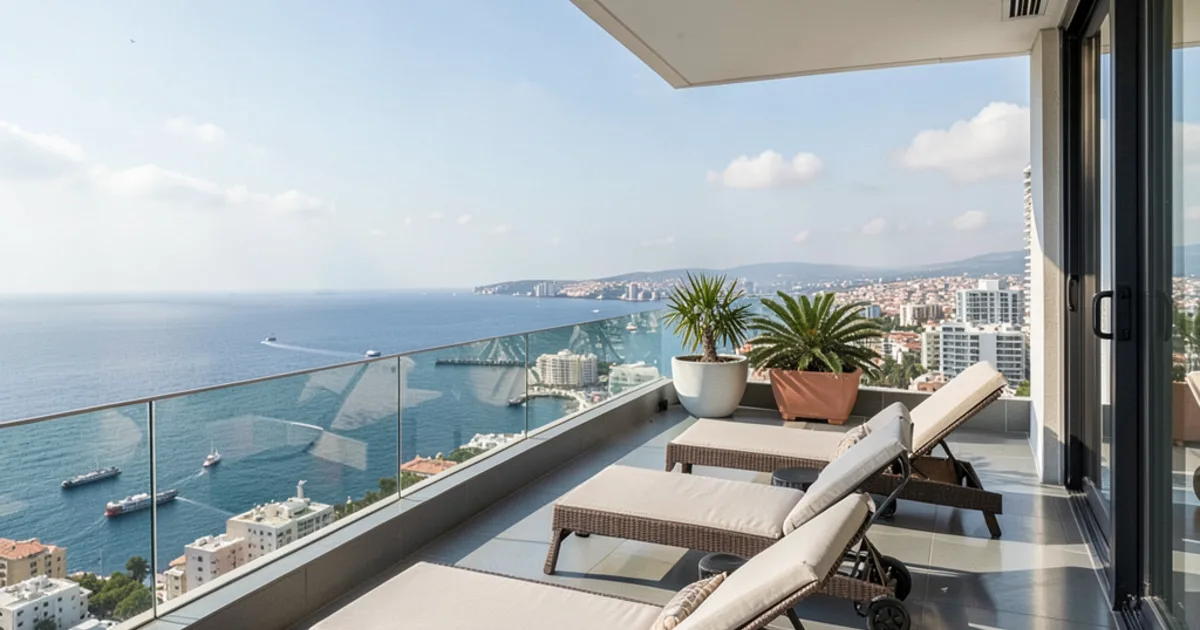
Tiberias, with its stunning views of the Sea of Galilee and rich historical significance, is an alluring destination for those seeking a holiday home. For non-residents, the prospect of owning a piece of this beautiful region can be incredibly exciting. However, navigating the Israeli real estate landscape from afar, especially for recreational property, comes with its own set of complexities and potential pitfalls. Understanding these common mistakes beforehand is crucial for a successful and stress-free purchase.
- Underestimating the Importance of Local Legal Counsel and Due Diligence
- Ignoring the Intricacies of Israeli Taxation for Non-Residents
- Failing to Secure Adequate Financing or Understand Mortgage Options (Mashkanta)
- Neglecting the Practicalities of Property Management from Afar
- Overlooking the Importance of Language and Cultural Barriers
- Making Assumptions About the Real Estate Market and Property Types
- Overlooking the Costs and Complexities of Renovations or New Builds
- Neglecting to Budget for All Ancillary Costs and Hidden Fees
- Rushing the Decision and Not Visiting the Property Multiple Times
- Ignoring Local Community Dynamics and Future Development Plans
- Failing to Plan for Ongoing Maintenance and Utility Management
Underestimating the Importance of Local Legal Counsel and Due Diligence
One of the most significant errors non-residents make is failing to engage independent, experienced local legal counsel from the outset. Often, buyers rely on the seller's agent or even a general lawyer who lacks specific expertise in international real estate transactions in Israel. This oversight can lead to critical details being missed, exposing the buyer to unforeseen liabilities and complications.
A specialized Israeli real estate lawyer will conduct thorough due diligence, meticulously examining the property's legal status. This includes verifying ownership through the Tabu (Land Registry), the official record of land ownership in Israel, to ensure the seller has clear title and there are no outstanding liens, mortgages, or restrictions. They will also investigate zoning regulations, building permits, and any potential future development plans that could impact your property's value or use.
Furthermore, your lawyer will review all contractual agreements, including the binding memorandum of understanding (if applicable) and the final purchase agreement. They will ensure that your interests are protected, that payment schedules are clear, and that all conditions precedent to closing are met. Without this expert guidance, you might inadvertently agree to terms that are disadvantageous or legally problematic, particularly when dealing with the nuances of a foreign legal system.
It's not just about the property itself; it's also about understanding the broader legal framework. Your lawyer will advise on inheritance laws, potential future sales implications, and even local community regulations that might affect your use of the holiday home. This comprehensive legal oversight is an indispensable safeguard for any non-resident buyer.
Ignoring the Intricacies of Israeli Taxation for Non-Residents
Israeli tax laws for real estate, especially for non-residents and holiday homes, can be complex and are frequently misunderstood. Many international buyers overlook the full scope of taxes they will be liable for, both at the time of purchase and potentially during ownership and future sale. This can lead to significant unexpected costs that were not factored into the initial budget.
The primary tax on property acquisition is Mas Rekhisha, or Purchase Tax. This tax is levied on the buyer and its rates can vary significantly based on residency status, the buyer's existing property ownership in Israel, and the property's value. Non-residents typically face different tax brackets compared to Israeli citizens, and these rates can be substantial. It's crucial to obtain an accurate estimate from your legal or tax advisor to avoid sticker shock.
Beyond purchase tax, there are ongoing property taxes such as Arnona, a municipal tax paid to the local authority, and potentially Va'ad Bayit (building management fees) for apartments. While these are common in many countries, their calculation and payment schedules in Israel might differ from what you're accustomed to. Failing to budget for these regular expenses can strain your finances.
Perhaps most importantly, non-residents must consider Mas Shevah, or Capital Gains Tax, which will be levied upon the eventual sale of the property. While certain exemptions might apply to Israeli residents under specific conditions, non-residents often face different rules. Understanding the potential capital gains liability and any applicable double taxation treaties between Israel and your home country is vital for long-term financial planning. A specialized tax advisor is indispensable here.
Failing to Secure Adequate Financing or Understand Mortgage Options (Mashkanta)
Many non-resident buyers underestimate the challenges of securing a mortgage (Mashkanta) from Israeli banks. While it is possible, the process is often more stringent and requires more documentation than for residents. Buyers might assume they can easily transfer funds or secure financing from their home country, only to find limitations or unfavorable exchange rates.
Israeli banks have specific criteria for non-resident mortgage applicants, which typically include higher down payment requirements, stricter income verification, and a thorough assessment of the buyer's financial stability abroad. The documentation required can be extensive, often needing certified translations and apostilles. Starting this process late can delay the entire purchase or even jeopardize it if financing falls through.
Even if you plan to pay cash, understanding the implications of transferring large sums of money across international borders is crucial. Regulations concerning money laundering and anti-terrorism financing mean banks will scrutinize the source of funds. Failure to provide clear documentation can lead to delays or even rejection of the transfer, disrupting your purchase timeline.
It's advisable to explore financing options with Israeli banks well in advance of identifying a property. Engage with a mortgage broker specializing in non-resident loans who can guide you through the process, help you gather the necessary paperwork, and connect you with banks that are more amenable to international clients. This proactive approach can save considerable stress and potential financial setbacks.
Neglecting the Practicalities of Property Management from Afar
Purchasing a holiday home in Tiberias as a non-resident means you won't be physically present for much of the year. A common mistake is underestimating the practical challenges of managing a property from a distance. This includes everything from routine maintenance and repairs to dealing with utilities, security, and potential short-term rental management.
Without a reliable local contact or professional property management service, your holiday home can quickly become a source of stress rather than relaxation. Who will check on the property during your absence? Who will handle unexpected leaks, appliance breakdowns, or pest control? These issues require immediate attention, and relying on favors from distant relatives or friends is often not a sustainable solution.
Furthermore, if you intend to rent out your holiday home to generate income, professional management becomes even more critical. This involves marketing the property, handling bookings, guest check-ins and check-outs, cleaning, and addressing guest inquiries or issues. Navigating local rental regulations and ensuring compliance with tax obligations for rental income also requires local expertise.
Researching and budgeting for a reputable property management company should be an integral part of your purchase decision. A good manager can provide peace of mind, protect your investment, and ensure your property is well-maintained and ready for your arrival, or for paying guests. Clarify their services, fees, and communication protocols before committing.
Overlooking the Importance of Language and Cultural Barriers
While many Israelis speak English, particularly in tourist areas, conducting a significant transaction like a property purchase primarily in a foreign language can lead to misunderstandings. Legal documents, official communications, and detailed discussions with contractors or service providers will often be in Hebrew. Relying solely on translation apps or basic English can be a risky endeavor.
Misinterpreting a legal clause, a technical specification for a new build, or even a local custom can have serious consequences. For instance, the exact meaning of terms in a contract or the expectations in negotiations might differ significantly from what you're accustomed to in your home country. This can lead to frustration, delays, and potentially costly mistakes.
Engaging professionals who are not only fluent in English but also deeply familiar with both Israeli legal and business culture is paramount. Your lawyer, real estate agent, and potentially your mortgage broker should be able to bridge this linguistic and cultural gap effectively. They can explain nuances, anticipate common misunderstandings, and ensure your intentions are accurately conveyed.
Consider taking some basic Hebrew lessons (an 'ulpan') if you plan to spend significant time in Israel. While not essential for the purchase process itself if you have good professional support, it will undoubtedly enhance your overall experience of owning a holiday home in Tiberias and interacting with the local community.
Making Assumptions About the Real Estate Market and Property Types
The Israeli real estate market, particularly in a specific location like Tiberias, has its own dynamics that can differ from global trends. Non-residents sometimes make assumptions about property values, rental yields, or future appreciation based on their experiences in other markets. This can lead to unrealistic expectations or poor investment decisions.
Tiberias offers a range of property types, from older apartments in established buildings to modern new builds, and even luxurious villas or penthouses. Each comes with its own set of considerations. For example, older apartments might require extensive renovations, while new builds (especially those 'on paper') involve different payment structures and construction timelines, sometimes with a developer warranty that needs careful scrutiny.
It's crucial to conduct thorough market research specific to Tiberias. Understand average pricing for different property types, typical rental demand, and local development trends. Don't rely solely on online listings; visit properties, speak to local agents, and get a feel for the different neighborhoods and their unique characteristics.
Avoid rushing into a decision based on limited information or pressure from a seller or agent. Take your time to understand what you're buying, whether it's an apartment in a multi-story building, a standalone house or villa, or a penthouse with specific rooftop rights. Each has distinct legal, maintenance, and financial implications that need to be fully understood.
Overlooking the Costs and Complexities of Renovations or New Builds
For those considering an older property for renovation or a new build 'off-plan,' a common mistake is underestimating the associated costs, timelines, and regulatory complexities. Renovations in Israel often come with unexpected challenges, including sourcing materials, coordinating contractors, and navigating local permit requirements, which can be particularly arduous for a non-resident.
New builds, while offering the allure of a pristine property, carry their own risks. Payments are typically staged according to construction milestones, and it's essential to have a lawyer review these contracts meticulously. Delays are not uncommon, and ensuring the quality of construction meets your expectations from afar can be challenging without regular oversight.
Engaging reliable and reputable local architects, contractors, and project managers is paramount. Get multiple quotes, check references, and ensure all agreements are clear, detailed, and legally binding. Factor in contingency budgets for unexpected expenses, as renovation or construction costs can easily exceed initial estimates.
For new builds, thoroughly understand the developer's reputation, financial stability, and track record. Ensure the contract includes clear penalties for delays and guarantees for construction quality. Your legal counsel should review all aspects of the purchase agreement, especially concerning payment schedules, completion dates, and any warranties provided by the developer.
Neglecting to Budget for All Ancillary Costs and Hidden Fees
The purchase price of a holiday home is only one component of the total investment. Many non-residents make the mistake of not budgeting adequately for the various ancillary costs and hidden fees that accompany a property transaction in Israel. These can significantly inflate the total outlay and catch buyers off guard.
Beyond the purchase tax (Mas Rekhisha) and ongoing property taxes (Arnona), other costs include legal fees (for your lawyer), real estate agent commissions, valuation fees (if obtaining a mortgage), registration fees at the Tabu, and potentially fees for currency exchange or international bank transfers. Each of these can add a percentage to the overall cost.
For new builds, there might be additional fees for connecting utilities, development levies, or infrastructure contributions that are not always explicitly included in the advertised price. Even for existing properties, transferring utility accounts (electricity, water, internet) can incur administrative charges.
It is imperative to create a comprehensive budget that itemizes all potential costs BEFORE making an offer. Your legal and real estate professionals should be able to provide a clear breakdown of these ancillary expenses. Failing to account for these can lead to financial strain or even the inability to complete the purchase.
Rushing the Decision and Not Visiting the Property Multiple Times
The excitement of buying a holiday home, especially in a desirable location like Tiberias, can sometimes lead non-residents to rush the decision-making process. Making an offer after only a single viewing, or even relying solely on virtual tours and photographs, is a common and potentially costly mistake.
A property can look very different at various times of day, in different seasons, or when viewed with a critical eye. Visiting the property multiple times allows you to assess noise levels, natural light, surrounding environment, and the general atmosphere of the neighborhood. It also provides an opportunity to identify any potential issues that weren't apparent initially.
Consider visiting during both peak and off-peak seasons to understand the true character of the area. What is the traffic like? How busy are the local amenities? Is there construction planned nearby? These factors can significantly impact your enjoyment and the property's value as a holiday home.
If you cannot physically visit multiple times, send a trusted representative or hire a professional to conduct detailed inspections, video walkthroughs, and neighborhood assessments on your behalf. Never underestimate the importance of thorough, in-person evaluation before committing to such a significant investment.
Ignoring Local Community Dynamics and Future Development Plans
A holiday home is not just a building; it's part of a community. Non-residents often overlook the importance of understanding the local community dynamics, demographics, and any future development plans for Tiberias. These factors can significantly impact your experience, the property's value, and its suitability as a recreational retreat.
Research the local infrastructure: schools (even if you don't have children, they indicate family-friendliness), medical facilities, shopping, restaurants, and recreational opportunities. Are these accessible and suitable for your needs? What are the transportation links like? Is the area prone to heavy tourism, or is it more residential?
Crucially, investigate any municipal master plans or approved development projects in the vicinity. A new hotel, a large residential complex, or changes to zoning laws could alter the character of your neighborhood, impact your views, or affect property values. Your real estate agent or lawyer should be able to help you access this information through the local municipality.
Understanding these broader contextual factors ensures that your holiday home remains a desirable and enjoyable asset for years to come. A property that seems perfect in isolation might be less appealing once you factor in its surrounding environment and potential future changes.
Failing to Plan for Ongoing Maintenance and Utility Management
Beyond the initial purchase, the ongoing management of a holiday home's utilities and maintenance can be a significant headache for non-residents. Many buyers fail to establish proper systems for paying bills, arranging repairs, and ensuring the property is cared for during their absence.
Utility bills, electricity, water, gas, internet, and municipal taxes (Arnona), arrive regularly and must be paid on time to avoid penalties or disconnections. Setting up automatic payments from an Israeli bank account is ideal, but this requires an active account and understanding the billing cycles. Without this, you risk returning to a disconnected or poorly maintained home.
Routine maintenance, such as garden care, pool cleaning (if applicable), and general upkeep, cannot be neglected. Over time, minor issues can become major problems if left unaddressed. Establishing relationships with reliable local handymen, gardeners, and cleaning services is essential.
A professional property manager can often handle all these aspects, but even if you opt for a more informal arrangement, ensure you have a clear plan. Designate a trusted individual or service provider, set up clear communication channels, and budget for these recurring expenses to protect your investment and ensure your holiday home is always ready for your enjoyment.
FAQ
Can a non-resident obtain a mortgage from an Israeli bank for a holiday home?
Yes, it is possible, but Israeli banks have stricter criteria for non-residents, often requiring higher down payments and extensive financial documentation. Engaging a specialized mortgage broker is highly recommended.
What is Tabu and why is it important for non-resident buyers?
Tabu is the official Israeli Land Registry. It's crucial as it legally records property ownership, liens, and restrictions. Your lawyer will verify the property's Tabu registration to ensure clear title and prevent legal disputes.
What are the main taxes a non-resident should budget for when buying in Tiberias?
Non-residents must budget for Mas Rekhisha (Purchase Tax) upon acquisition, ongoing Arnona (municipal tax), and potentially Mas Shevah (Capital Gains Tax) upon future sale. Tax rates vary by residency and property value.
Is it necessary to use a local real estate agent and lawyer in Tiberias?
While not legally mandatory to use an agent, engaging an independent, local real estate lawyer with expertise in international transactions is absolutely essential to protect your interests and navigate Israeli law.
How can I manage my holiday home in Tiberias when I'm not in Israel?
It is highly recommended to engage a professional property management company. They can handle maintenance, utility payments, security, and even rental management, providing peace of mind from afar.
Get your personalised shortlist
Listings and up-to-date info, straight to your inbox, free, no obligation.
See homes for sale →