Comparing quality of life: Ashdod vs. Ashkelon for a young family seeking affordable housing near the beach.
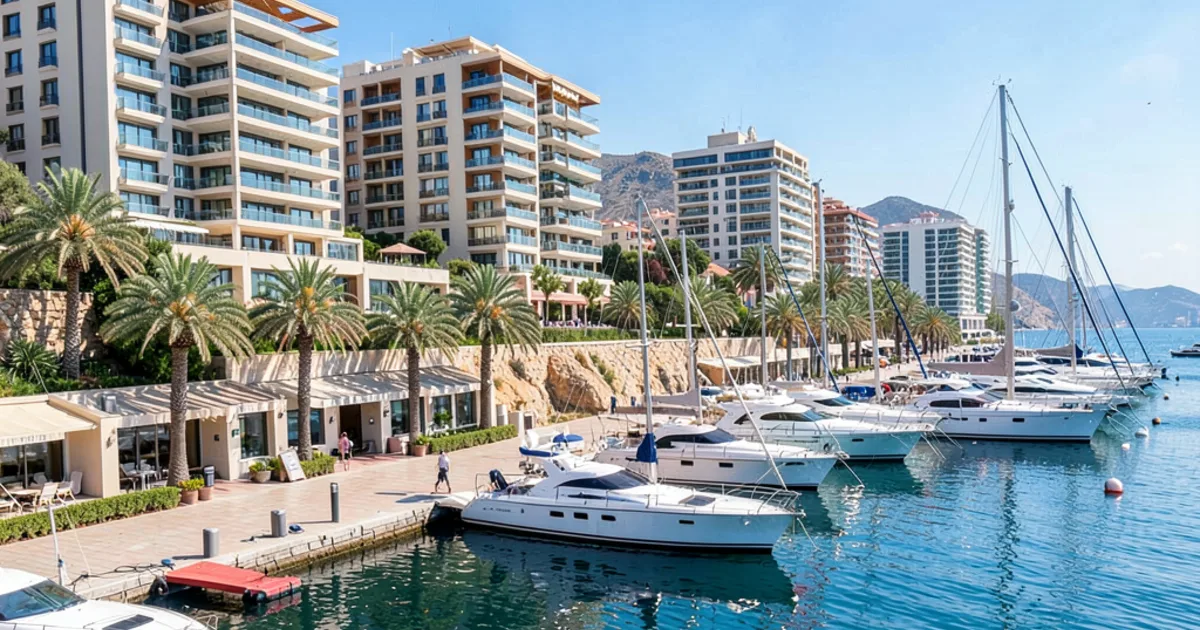
For young families in Israel, the dream often includes affordable housing, a vibrant community, and the invigorating proximity of the Mediterranean Sea. Ashdod and Ashkelon, two prominent coastal cities in the south, frequently emerge as top contenders. This in-depth analysis from HousesIsrael will meticulously compare these two dynamic cities, offering a nuanced perspective on their quality of life, housing markets, and overall appeal for those looking to establish roots by the beach without breaking the bank.
Quick answer: Ashdod offers a more established urban environment with extensive public transport and cultural amenities, while Ashkelon provides a quieter, beach-focused lifestyle. Both cities are coastal options for families seeking affordable housing, but the choice depends on whether you prioritize city convenience or a relaxed seaside atmosphere.
- Understanding the Appeal: Why Ashdod and Ashkelon?
- Housing Affordability: Navigating the Market for Young Families
- Quality of Life: Community, Culture, and Family Atmosphere
- Educational Opportunities: Schools, Preschools, and Youth Programs
- Job Market and Economic Landscape: Sustaining a Family
- Beach Access and Coastal Lifestyle: The Mediterranean Dream
- Transportation and Infrastructure: Getting Around and Connecting
- Navigating the Israeli Real Estate Purchase Process
- Future Growth and Investment Potential for Families
Understanding the Appeal: Why Ashdod and Ashkelon?
Both Ashdod and Ashkelon offer a compelling blend of coastal living and urban amenities, making them attractive to young families seeking a balanced lifestyle. Their geographic locations provide excellent access to major transportation routes, connecting residents to central Israel while maintaining a distinct, community-focused atmosphere. The allure of the beach is undeniable, offering recreational opportunities and a relaxed vibe that many families prioritize.
Ashdod, as a larger and more established city, boasts a diverse population and a broader range of services and employment opportunities. Its port city status has historically driven its growth and continues to shape its economic landscape. Ashkelon, while smaller, has seen significant development in recent years, positioning itself as a burgeoning hub with a strong emphasis on family-friendly living and community building.
The relative affordability of housing in both cities, when compared to the highly saturated and expensive central regions, is a primary driver for young families. This allows for a higher quality of life, potentially larger living spaces, and more disposable income for family activities and future investments. The promise of a good life by the sea, within a reasonable budget, is a powerful motivator for considering these locations.
Ultimately, the decision between Ashdod and Ashkelon will hinge on individual family priorities, balancing factors like city size, community feel, educational offerings, and specific housing needs. Our aim is to provide a comprehensive framework to aid in this significant life choice, ensuring you have all the necessary information at your fingertips.
Housing Affordability: Navigating the Market for Young Families
Affordable housing is often the cornerstone of a young family's decision-making process, and both Ashdod and Ashkelon present more accessible entry points than central Israel. While neither city is immune to national housing trends, they generally offer more square footage for your investment. This allows families to consider options like larger apartments, or even a small house or villa, that might be financially out of reach elsewhere.
In Ashdod, you'll find a wide spectrum of housing, from older, more modest apartments to modern new builds in developing neighborhoods. The city's size means there's a constant turnover of properties, offering opportunities for those willing to explore various districts. New construction projects often include family-friendly amenities, such as dedicated play areas and community spaces, which can add value beyond the immediate living unit.
Ashkelon, experiencing a surge in development, has a growing number of new construction projects, particularly appealing to families seeking contemporary living. These often feature energy-efficient designs and modern layouts. While prices have been trending upwards, they generally remain more competitive than Ashdod, especially for detached homes or larger apartments with sea views. It's crucial to research specific neighborhoods within each city, as prices can vary significantly.
When considering 'affordable,' it's not just the purchase price; it includes ongoing costs like Arnona (municipal tax), va'ad bayit (building maintenance fees), and potential mortgage payments (Mashkanta). Both cities offer a range of options, but Ashkelon generally edges out Ashdod in terms of overall housing cost-effectiveness for a similar standard of living, particularly for those seeking new build properties or a small house/villa.
- Research specific neighborhoods: prices and amenities vary greatly within each city.
- Consider new build projects: often come with modern features and family-friendly infrastructure.
- Factor in all costs: purchase price, Arnona, va'ad bayit, and potential Mashkanta payments.
- Explore both apartment and house/villa options: affordability allows for more choices than in central regions.
Quality of Life: Community, Culture, and Family Atmosphere
Quality of life extends beyond just housing; it encompasses the social fabric, cultural offerings, and overall family-friendliness of a city. Ashdod, with its larger population and diverse demographic, offers a richer tapestry of cultural events, dining options, and community organizations. Its status as a major city means a wider array of services, from specialized medical centers to various shopping malls, are readily available.
Ashkelon, while smaller, cultivates a strong sense of community and a more relaxed, almost 'town-like' atmosphere. It's often perceived as having a slightly slower pace of life, which can be a significant draw for families seeking a quieter environment. The city has invested heavily in public parks, playgrounds, and community centers, fostering a family-centric ethos that resonates with many young parents.
Both cities pride themselves on their extensive public park systems and recreational facilities. Ashdod's 'Lachish Park' and Ashkelon's 'National Park' are prime examples, offering vast green spaces for picnics, sports, and family outings. The emphasis on outdoor living is strong in both, encouraged by the pleasant Mediterranean climate for much of the year, allowing for year-round enjoyment of these amenities.
The overall vibe differs: Ashdod feels more bustling and urban, reflecting its role as a major port and regional center. Ashkelon, despite its growth, retains a slightly more provincial charm, with a strong emphasis on local connections and neighborhood life. Your preference here will largely depend on whether your family thrives in a larger, more cosmopolitan setting or a more intimate, community-focused environment.
Educational Opportunities: Schools, Preschools, and Youth Programs
For young families, the quality and availability of educational institutions are paramount. Both Ashdod and Ashkelon offer a comprehensive range of public and private educational options, from preschools (ganim) to primary and secondary schools. It's important to research specific schools within your chosen neighborhood, as reputations and educational approaches can vary.
Ashdod, due to its size and diverse population, has a broader selection of educational streams, including religious (mamlachti dati) and secular (mamlachti) schools, as well as specialized programs. The city has a strong commitment to youth development, with numerous after-school programs, sports clubs, and cultural activities designed to enrich children's lives. Parents often find a wider array of choices to match their children's specific needs and interests.
Ashkelon has also made significant strides in upgrading its educational infrastructure, with many new schools and renovated facilities. The focus is often on creating a supportive and engaging learning environment, with strong community involvement in school activities. While perhaps offering fewer specialized programs than Ashdod, the quality of mainstream education is generally well-regarded, and class sizes can sometimes be smaller, offering more individualized attention.
For families new to Israel, or those seeking to improve their Hebrew, both cities offer Ulpan programs for adults, which are invaluable for integration. It’s also worth noting that many preschools and schools in both cities have experience integrating children from diverse backgrounds, including new immigrants, fostering a welcoming environment. Checking local municipality websites for school ratings and parent reviews can provide valuable insights into specific institutions.
Job Market and Economic Landscape: Sustaining a Family
A stable job market is crucial for family stability, and both Ashdod and Ashkelon offer distinct economic landscapes. Ashdod, as a major port city and industrial center, boasts a more diverse and robust job market. Industries such as logistics, manufacturing, high-tech, and tourism provide a wide range of employment opportunities. Its proximity to central Israel also makes commuting to larger employment hubs a viable option for many.
Ashkelon's job market, while smaller, is growing, particularly in sectors like tourism, education, healthcare, and local services. The city has seen significant investment in infrastructure and new businesses, creating fresh employment opportunities. For those working remotely or in professions that allow for flexibility, Ashkelon can offer a more tranquil environment without sacrificing career progression.
For new immigrants or those seeking to enter the Israeli workforce, both cities have services to assist with job placement and professional integration. Networking within local communities can also be highly effective. It's advisable to research specific industry trends and potential employers in each city before making a relocation decision, aligning your professional aspirations with the local economic reality.
The presence of various industrial zones and commercial centers in both cities ensures a steady stream of local employment. While Ashdod generally offers more breadth in its job market, Ashkelon's growth trajectory suggests increasing opportunities, particularly for those willing to adapt to emerging sectors. Consider your specific profession and industry to determine which city offers a better fit for your career trajectory.
Beach Access and Coastal Lifestyle: The Mediterranean Dream
The allure of the beach is a significant draw for families considering Ashdod and Ashkelon, and both cities deliver on this promise with beautiful Mediterranean coastlines. Ashdod boasts several well-maintained public beaches, often with designated swimming areas, lifeguard services, and accessible facilities. The city's large size means its beaches can be quite popular, especially during peak season, offering a lively atmosphere.
Ashkelon's beaches are equally stunning, often perceived as slightly less crowded than Ashdod's, particularly during weekdays. The city has invested in developing its beachfront, creating beautiful promenades, cafes, and recreational areas. The Ashkelon National Park, which borders the sea, offers a unique blend of historical sites and natural beauty, providing diverse recreational opportunities beyond just swimming and sunbathing.
For families, the accessibility and amenities of the beaches are key. Both cities offer playgrounds near the sand, accessible pathways, and a range of water sports. The presence of beachside restaurants and cafes allows for full-day family outings without needing to pack extensive provisions. The quality of the water is generally high, making for safe and enjoyable swimming.
Whether you prefer the bustling energy of Ashdod's larger beaches or the slightly more serene atmosphere of Ashkelon's coastline, both cities offer ample opportunities for enjoying the Mediterranean lifestyle. From morning jogs along the promenade to sunset picnics with the family, the beach is an integral part of life in both locations, significantly enhancing the overall quality of life for residents.
Transportation and Infrastructure: Getting Around and Connecting
Efficient transportation and well-developed infrastructure are vital for any family, impacting commutes, access to services, and overall convenience. Ashdod, as a larger city, benefits from a more extensive public transportation network, including numerous bus lines connecting different neighborhoods and to nearby towns. It also has a train station, providing convenient access to Tel Aviv and other major cities, a significant advantage for commuters.
Ashkelon's public transportation system is also robust, with bus services covering the city and connecting to regional centers. The city has also seen significant upgrades to its road infrastructure, improving traffic flow. Like Ashdod, Ashkelon also has a train station, ensuring good connectivity to the national rail network, making it feasible for residents to work in central Israel while living by the sea.
Both cities are strategically located near major highways, offering relatively straightforward driving access to other parts of the country. This is particularly important for families who own a car, as it expands their options for employment, leisure, and visiting family. The ongoing development in both cities includes continuous improvements to road networks and public transport options.
When considering transportation, think about your daily commute, whether for work or school, and your family's reliance on public versus private transport. Ashdod's more extensive internal bus network might be a slight edge for those without a car, while both cities offer excellent inter-city rail connections. The ease of access to major cities like Tel Aviv and Beer Sheva is a definite plus for both locations.
Navigating the Israeli Real Estate Purchase Process
Purchasing property in Israel, whether an apartment, house, or new build, involves specific steps and terminology. The process typically begins with finding a property and negotiating a price. Once an agreement in principle is reached, a binding memorandum (Zichron Devarim) is often signed, though it's highly advisable to proceed directly to a full contract drafted by your legal counsel.
Engaging a local real estate agent and a reputable Israeli lawyer is non-negotiable. Your lawyer will conduct due diligence, checking the Tabu (Israel Land Registry) for ownership, liens, and building permits. They will also guide you through the complexities of Mas Rekhisha (purchase tax), which varies based on residency status and property value, and Mas Shevah (capital gains tax) if you eventually sell the property.
Securing a Mashkanta (mortgage) is a critical step for most families. Israeli banks offer various mortgage products, and it's wise to compare terms and interest rates. The process involves submitting financial documentation, property appraisals, and often requires a significant down payment. Understanding the nuances of Israeli mortgage terms is crucial for long-term financial planning.
Beyond the purchase price, remember to budget for additional costs: lawyer fees (typically 0.5-1.5% + VAT of the purchase price), real estate agent fees (typically 2% + VAT for each side), purchase tax, and potentially renovation costs. For new builds, ensure you understand the payment schedule and the developer's guarantees. A thorough understanding of these financial and legal aspects is vital for a smooth transaction.
Future Growth and Investment Potential for Families
For young families, a home isn't just a place to live; it's often a significant long-term investment. Both Ashdod and Ashkelon show promising signs of future growth, driven by ongoing infrastructure projects, population expansion, and government initiatives. Investing in these cities means potentially benefiting from capital appreciation over time, contributing to your family's financial security.
Ashdod, as an established economic hub, continues to attract investment in its port, industrial zones, and high-tech sectors. This sustained economic activity supports property values and job creation. Urban renewal projects (Pinui Binui, TAMA 38) are also transforming older neighborhoods, adding modern housing stock and amenities, which can enhance the overall appeal and value of existing properties.
Ashkelon is experiencing a particularly rapid growth trajectory, with significant new development projects, including residential neighborhoods, commercial centers, and public facilities. This expansion is attracting new residents and businesses, which in turn fuels demand for housing. The city's focus on quality of life and family-friendly infrastructure also positions it well for continued desirability.
While no investment is guaranteed, both cities offer a relatively strong outlook for property value appreciation compared to more saturated markets. For families, this means not only securing an affordable home today but also potentially building equity for future needs, whether it's for children's education or a future property upgrade. Consulting with local real estate experts can provide specific insights into market trends in particular neighborhoods.
FAQ
What are the typical ongoing costs of owning a home in Ashdod or Ashkelon?
Beyond your Mashkanta (mortgage) payments, you'll pay Arnona (municipal tax, varying by property size and location), Va'ad Bayit (building maintenance fees for apartments), and utilities. It's crucial to factor these into your monthly budget.
Is it difficult for English-speaking families to integrate into Ashdod or Ashkelon?
Both cities have diverse populations, including many English speakers and new immigrants. While learning Hebrew (Ulpan) is highly recommended for full integration, you'll find supportive communities and services to help you settle in.
What should I look for when choosing a neighborhood in either city?
Consider proximity to schools, parks, public transportation, and your workplace. Research the specific character of each neighborhood, some are more family-oriented, others more bustling, or with a higher concentration of religious residents.
How does the purchase tax (Mas Rekhisha) work for a young family buying their first home?
Mas Rekhisha rates in Israel are progressive and depend on whether it's your only property and if you are an Israeli resident. First-time homebuyers often benefit from lower rates or exemptions up to a certain property value, so consult your lawyer for current thresholds.
Get your personalised shortlist
Listings and up-to-date info, straight to your inbox, free, no obligation.
See homes for sale →